Analysis India: The global gastric cancer screening market is rapidly emerging as a critical segment within the broader oncology diagnostics industry, driven by the urgent need for early detection and improved survival outcomes. Gastric cancer continues to remain one of the leading causes of cancer-related mortality worldwide, particularly in high-risk regions such as East Asia, South East Asia, and parts of Europe. Despite advancements in treatment methods, survival rates are still heavily dependent on early-stage diagnosis, making screening technologies a vital component of modern healthcare systems.
Over the past decade, healthcare systems across the world have shifted toward preventive care models, where early detection plays a central role in reducing disease burden and long-term treatment costs. This transition has significantly accelerated the growth of the global gastric cancer screening market, positioning it as a strategic focus area for governments, healthcare providers, and diagnostic technology companies.
In addition, technological advancements such as artificial intelligence-based diagnostics, high-resolution endoscopy, and biomarker-driven testing are transforming screening practices. These innovations are improving accuracy, enhancing patient compliance, and expanding access to screening services, especially in emerging markets.
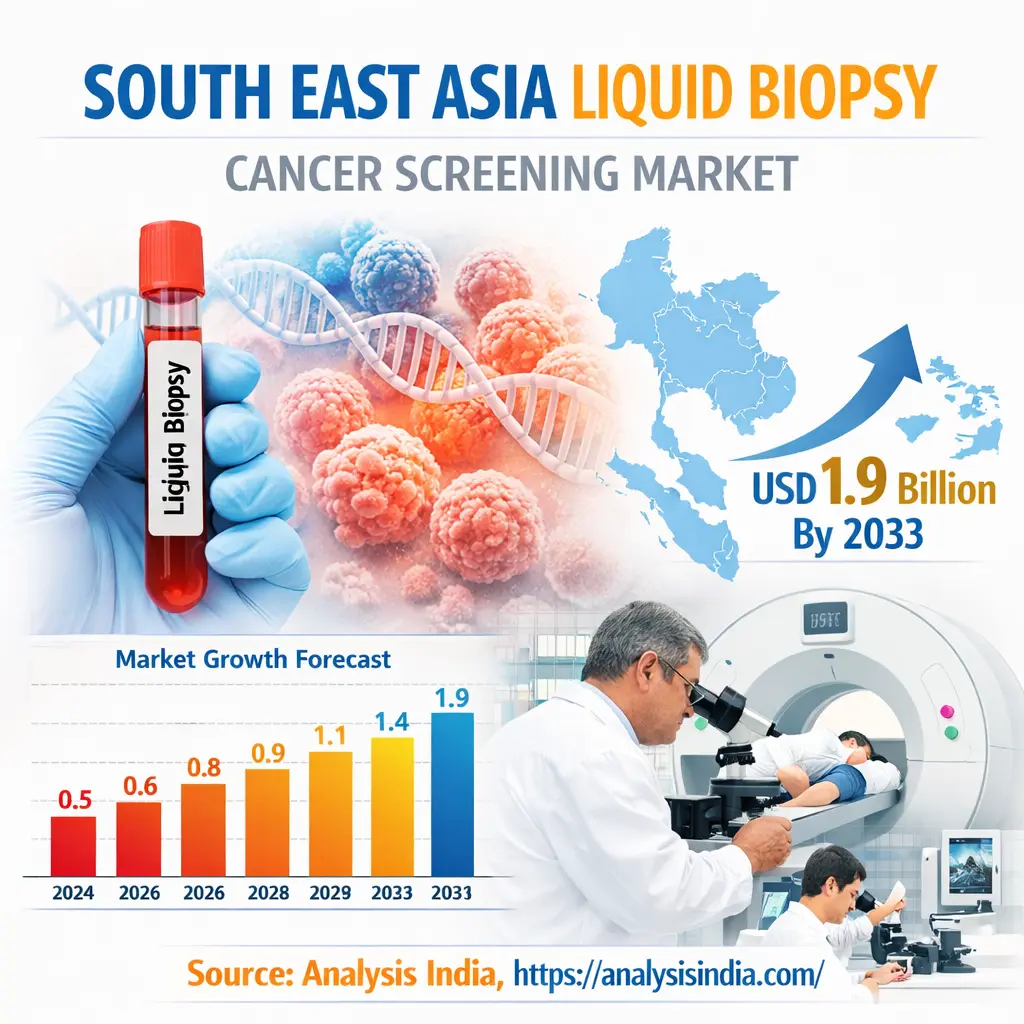
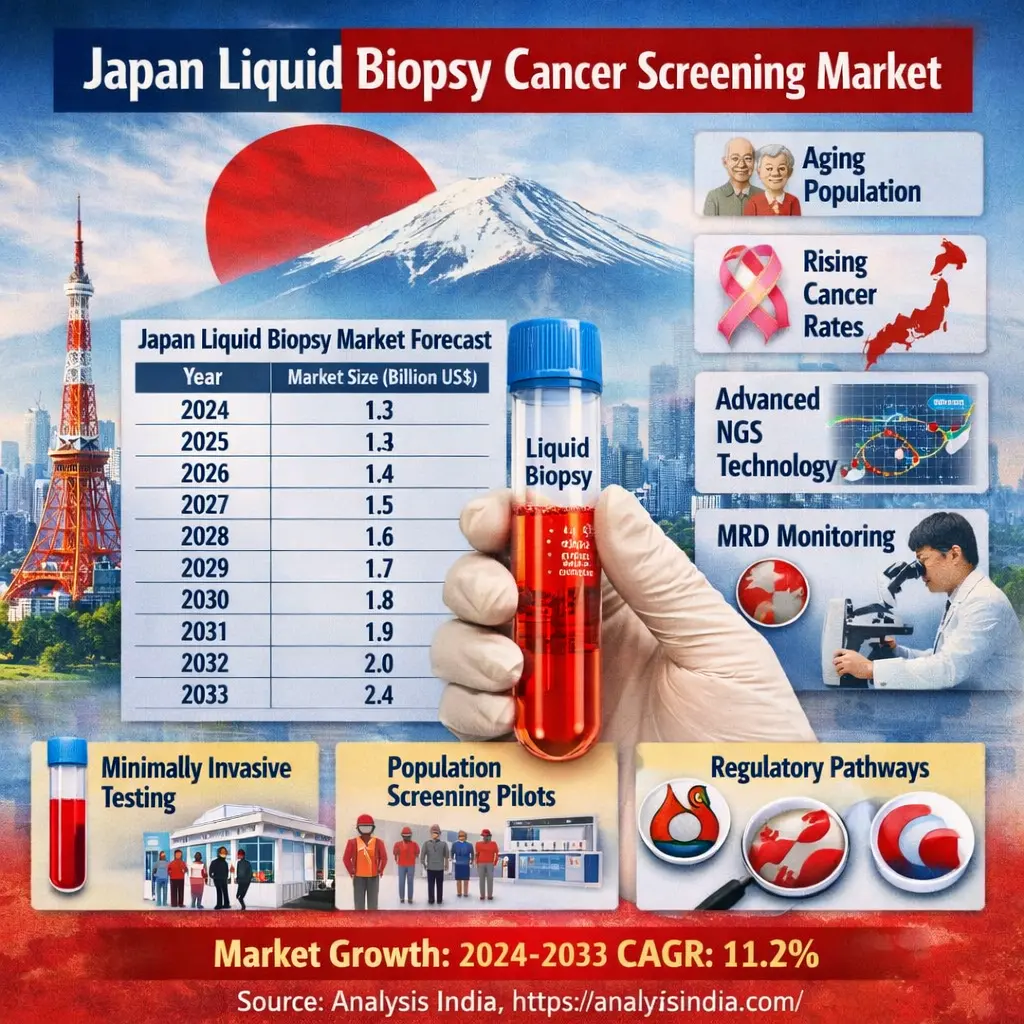
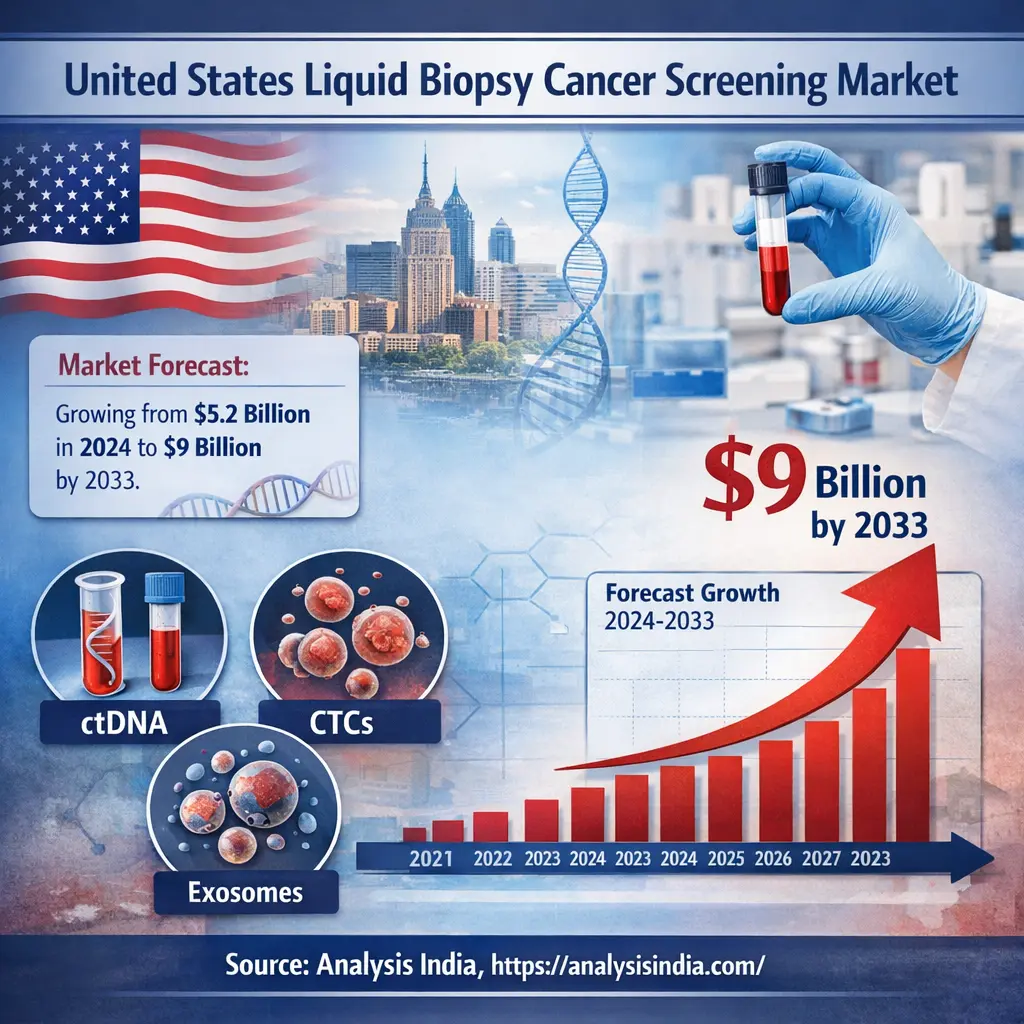
For a broader understanding of screening ecosystems, readers can explore our detailed analysis on Cancer Screening Market Growth Trends Insights. Additionally, the increasing role of non-invasive diagnostics is covered in Global Liquid Biopsy Cancer Screening Market.
Global Gastric Cancer Screening Market Overview
Market Definition and Scope
The global gastric cancer screening market includes a wide range of diagnostic tools, procedures, and clinical services designed to detect gastric cancer at an early stage. These include invasive methods such as endoscopy as well as non-invasive techniques such as biomarker testing and liquid biopsy.
The market operates across a complex ecosystem involving hospitals, diagnostic laboratories, research institutions, medical device manufacturers, and public health organizations. Each stakeholder contributes to improving screening accessibility and diagnostic accuracy.
From a strategic perspective, gastric cancer screening is increasingly integrated into broader cancer screening programs, enhancing efficiency and improving patient outcomes across healthcare systems.
Importance of Early Detection
Early detection is essential in gastric cancer because the disease often develops without noticeable symptoms in its initial stages. By the time symptoms appear, the cancer is usually advanced, reducing survival chances significantly.
Screening programs play a vital role in identifying precancerous lesions and early-stage tumors, enabling timely intervention. Countries with structured screening programs have demonstrated significantly improved survival rates, highlighting the importance of the global gastric cancer screening market.
Market Dynamics of Global Gastric Cancer Screening Market
Key Growth Drivers
Rising Global Incidence and Aging Population
The increasing incidence of gastric cancer is one of the primary drivers of the global gastric cancer screening market. Factors such as aging populations, dietary habits, Helicobacter pylori infection, and lifestyle changes are contributing to higher disease prevalence.
As demographic patterns shift globally, the demand for early screening solutions is expected to rise consistently, reinforcing long-term market growth.
Expansion of National Screening Programs
Government-led initiatives are playing a transformative role in market expansion. Countries such as Japan and South Korea have established nationwide screening programs that serve as global benchmarks.
These programs not only increase screening adoption but also create strong demand for advanced diagnostic technologies. The success of such initiatives is encouraging other regions to implement similar frameworks.
👉 Upcoming deep-dive related articles:
- China Gastric Cancer Screening Market
- United States Gastric Cancer Screening Market
- Japan Gastric Cancer Screening Market
- South East Asia Gastric Cancer Screening Market
Rapid Technological Advancements
Technological innovation is redefining the global gastric cancer screening market. High-definition endoscopy, AI-assisted detection systems, and molecular diagnostics are improving diagnostic accuracy and efficiency.
The integration of artificial intelligence into screening workflows allows for real-time analysis, reducing diagnostic errors and improving clinical outcomes.
Market Restraints
Cost Barriers in Low-Income Regions
Despite technological progress, the high cost of screening procedures remains a major challenge. Advanced diagnostic equipment and specialized expertise are often inaccessible in low-resource settings.
This creates disparities in screening adoption and limits market penetration in developing economies.
Limited Awareness and Screening Adoption
In many regions, awareness about gastric cancer screening remains low. Cultural barriers, lack of education, and limited healthcare access further hinder adoption rates.
Addressing these challenges is essential for unlocking the full potential of the global gastric cancer screening market.
Emerging Opportunities
Growth of Non-Invasive Screening Technologies
Non-invasive screening methods such as liquid biopsy and biomarker testing represent a significant opportunity. These technologies offer convenience, cost-effectiveness, and improved patient compliance.
Their adoption is expected to increase rapidly, especially in regions with limited healthcare infrastructure.
Regional Expansion and Untapped Markets
Emerging economies, particularly in Asia and Latin America, present substantial growth opportunities. Increasing healthcare investments and infrastructure development are supporting market expansion.
👉 Future support articles:
- China Gastric Cancer Early Screening Recommended Population
- United States Gastric Cancer Early Screening Recommended Population
- Japan Gastric Cancer Early Screening Recommended Population
- South East Asia Gastric Cancer Early Screening Recommended Population
Market Segmentation Analysis
By Screening Method
Endoscopy-Based Screening
Endoscopy remains the most widely used method in the global gastric cancer screening market due to its high accuracy and ability to detect early-stage abnormalities. It allows direct visualization and biopsy, making it the gold standard.
Imaging Technologies
Imaging techniques such as CT scans and advanced radiographic systems complement endoscopic procedures by providing detailed internal views and aiding in cancer staging.
Biomarker and Molecular Testing
Biomarker-based screening is gaining traction as a non-invasive alternative. These tests identify cancer-specific markers in blood or tissue samples, enabling early detection.
Screening Method Adoption Table
| Screening Method | Adoption Level | Growth Trend |
|---|---|---|
| Endoscopy | High | Stable |
| Imaging | Moderate | Increasing |
| Biomarker Testing | Emerging | High Growth |
| Liquid Biopsy | Early Stage | Rapid Growth |
By End User
Hospitals dominate the global gastric cancer screening market due to their advanced infrastructure and availability of specialized professionals.
Diagnostic centers are growing rapidly as they provide cost-effective and specialized services.
Research institutions contribute to innovation by developing advanced screening technologies and conducting clinical trials.
Regional Analysis of Global Gastric Cancer Screening Market
Asia-Pacific Market Analysis
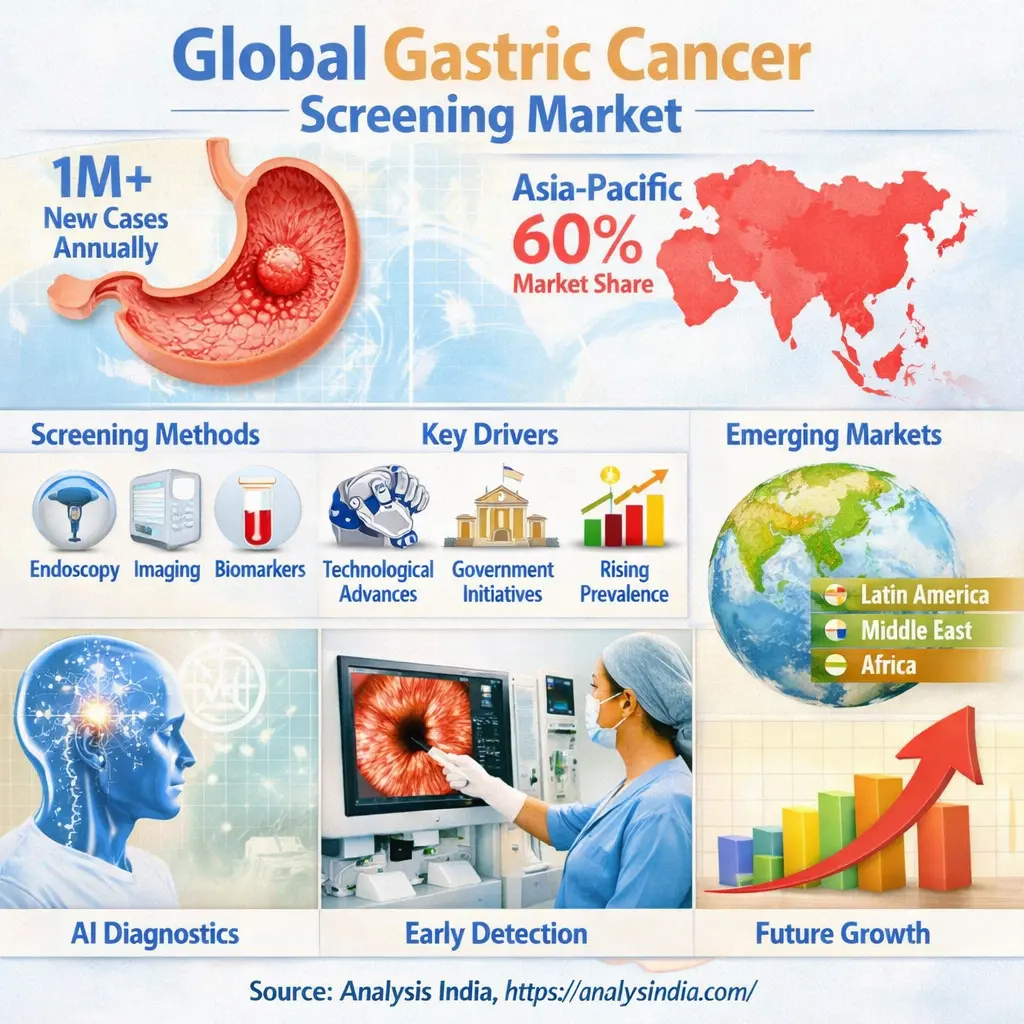
Asia-Pacific leads the global gastric cancer screening market, driven by high disease prevalence and strong government initiatives. Countries such as China and Japan play a significant role in regional growth.
Readers can explore detailed regional insights in gastric cancer screening trends in China and Japan gastric cancer screening programs.
North America Market Analysis
North America is characterized by advanced healthcare systems and high adoption of innovative technologies. The United States is a major contributor to market growth through research and development activities.
For detailed analysis, refer to gastric cancer screening market in the United States.
South East Asia Market Analysis
South East Asia is an emerging region with significant growth potential due to increasing healthcare investments and rising awareness.
Detailed insights are available in gastric cancer screening growth in Southeast Asia.
Survey Insights and Market Trends
Global Awareness and Adoption Insights
| Region | Awareness Level | Screening Adoption |
|---|---|---|
| Asia-Pacific | High | High |
| North America | High | Moderate |
| Europe | Moderate | Moderate |
| Southeast Asia | Low to Moderate | Growing |
These insights highlight that awareness and government initiatives are key factors influencing screening adoption.
Competitive Landscape
The global gastric cancer screening market is highly competitive, with several global players focusing on innovation and expansion.
Leading companies include Olympus Corporation, Fujifilm Holdings Corporation, Boston Scientific Corporation, Medtronic plc, and Hologic Inc. These companies are investing in advanced diagnostic technologies and expanding their presence in emerging markets.
Technological Advancements in Gastric Cancer Screening
Technological advancements in the global gastric cancer screening market are supported by continuous research and clinical validation. According to research published by the National Cancer Institute, early detection significantly improves survival outcomes in gastric cancer patients.
Artificial intelligence is transforming the global gastric cancer screening market by improving diagnostic accuracy and efficiency. AI-powered systems can analyse medical images and identify abnormalities with high precision.
Advanced endoscopic imaging technologies are enhancing early detection capabilities, while liquid biopsy is emerging as a non-invasive alternative that improves patient compliance.
Readers can explore more about AI integration in diagnostics in AI-Based Pathology Market Trends.
Market Trends
The shift toward preventive healthcare is one of the most significant trends in the global gastric cancer screening market. Healthcare systems are increasingly focusing on early detection to reduce long-term treatment costs.
Digital health technologies such as telemedicine and remote diagnostics are improving access to screening services, particularly in underserved regions.
Personalized screening approaches are also gaining traction, with screening strategies tailored to individual risk factors.
Market Forecast (2024–2033)
The global gastric cancer screening market is expected to grow steadily over the forecast period, driven by technological advancements, increasing awareness, and expansion of screening programs.
| Year | Market Trend |
|---|---|
| 2026 | Increased adoption |
| 2028 | AI integration growth |
| 2030 | Non-invasive dominance |
| 2035 | Global standardization |
Challenges in the Market
Infrastructure gaps and limited access to healthcare services remain major challenges in the global gastric cancer screening market. Additionally, the shortage of skilled professionals affects the quality and availability of screening services.
Future Outlook
The future of the global gastric cancer screening market is promising, with continuous advancements in technology and increasing global awareness. The adoption of AI-based diagnostics and non-invasive screening methods is expected to drive significant growth.
Recommended Population for Screening
Screening recommendations vary across regions based on risk factors, healthcare policies, and population demographics.
High-risk individuals typically include older adults, individuals with Helicobacter pylori infection, and those with a family history of gastric cancer.
Detailed population guidelines will be covered in:
- recommended population for gastric cancer screening in China
- who should get gastric cancer screening in the United States
- Japan gastric cancer screening eligibility guidelines
- gastric cancer screening target population in Southeast Asia
Conclusion
The global gastric cancer screening market is poised for significant growth as healthcare systems prioritize early detection and prevention. With strong support from technological innovation, government initiatives, and increasing awareness, the market is expected to play a crucial role in reducing the global burden of gastric cancer.
By integrating this pillar with regional and population-specific cluster articles, analysisindia.com can establish strong topical authority, improve search rankings, and drive sustained organic traffic growth.
Frequently Asked Questions
What is the global gastric cancer screening market
The global gastric cancer screening market includes diagnostic tools and technologies used to detect stomach cancer at an early stage.
Why is gastric cancer screening important
Early detection improves survival rates and reduces treatment costs.
Which region dominates the market
Asia-Pacific dominates due to high disease prevalence and strong screening programs.
What are the latest trends
AI-based diagnostics and non-invasive screening methods are key trends.
Who should undergo screening
High-risk individuals such as older adults and those with infections or family history should undergo screening.