Introduction
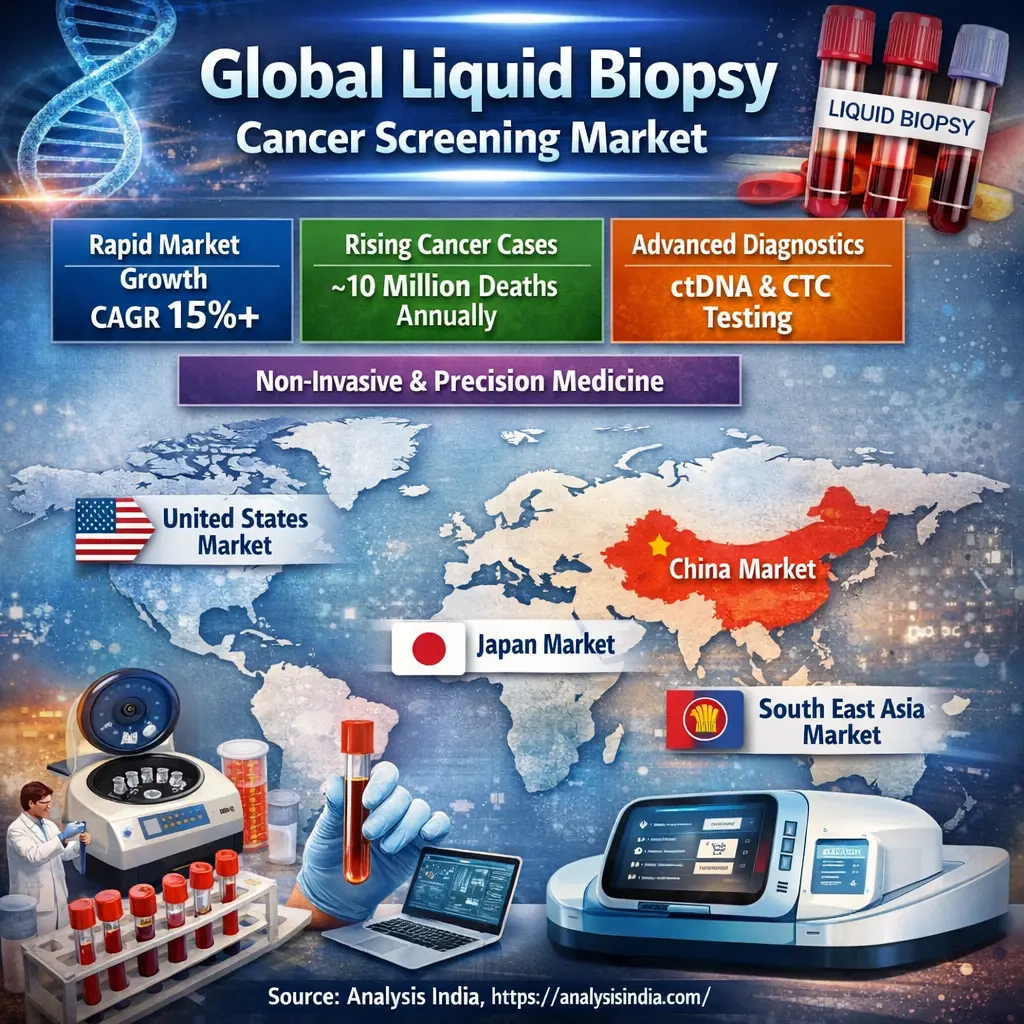
The Global Liquid Biopsy Cancer Screening Market is emerging as one of the most advanced and rapidly evolving segments within the broader oncology diagnostics industry. As the global healthcare ecosystem transitions toward early detection and preventive care, the importance of innovative diagnostic tools such as liquid biopsy has significantly increased. Cancer continues to be one of the leading causes of death globally, and early detection plays a crucial role in improving survival rates and reducing treatment costs.
Liquid biopsy technology offers a non-invasive alternative to traditional tissue biopsies, allowing clinicians to detect cancer biomarkers through blood or other bodily fluids. This capability is particularly beneficial for patients who cannot undergo invasive procedures or require continuous monitoring of disease progression. The growing focus on patient-centric healthcare solutions has further accelerated the adoption of liquid biopsy technologies.
The market is also being driven by advancements in genomic sequencing, bioinformatics, and artificial intelligence, which have enhanced the accuracy and reliability of diagnostic tests. Governments and private organizations are investing heavily in research and development to expand the clinical applications of liquid biopsy.
For a broader understanding of the oncology screening ecosystem, refer to Cancer Screening Market Growth Trends Insights. This article provides a strong foundation for understanding how liquid biopsy integrates into the global cancer screening landscape.
What is Liquid Biopsy and Why It Matters
Definition and Clinical Importance
Liquid biopsy is a revolutionary diagnostic approach that detects cancer-related biomarkers in body fluids such as blood, urine, or saliva. Unlike traditional biopsy methods that require surgical removal of tissue samples, liquid biopsy is minimally invasive and can be performed multiple times, making it ideal for continuous monitoring.
The Global Liquid Biopsy Cancer Screening Market is gaining momentum because this technology provides real-time insights into tumor genetics and disease progression. It enables clinicians to detect cancer at an early stage, monitor treatment effectiveness, and identify recurrence, all without subjecting patients to invasive procedures.
Biomarker Analysis and Diagnostic Value
Liquid biopsy primarily focuses on biomarkers such as circulating tumor DNA (ctDNA), circulating tumor cells (CTCs), and extracellular vesicles. These biomarkers carry genetic information about tumors, allowing clinicians to identify mutations and understand tumor behavior.
This capability is particularly important in the era of precision medicine, where treatments are tailored to individual genetic profiles. Liquid biopsy provides the necessary data to support personalized treatment strategies, improving patient outcomes.
Impact on Healthcare Systems
The adoption of liquid biopsy is transforming healthcare systems by enabling early detection and reducing the need for complex surgical procedures. It also supports large-scale screening programs, making it a valuable tool for population health management.
Evolution of Global Liquid Biopsy Cancer Screening Market
The Global Liquid Biopsy Cancer Screening Market has undergone significant transformation over the past decade. Initially, the technology was limited to research applications and was primarily used for monitoring advanced-stage cancers. However, advancements in molecular diagnostics and sequencing technologies have expanded its applications to early-stage cancer detection.
The introduction of next-generation sequencing (NGS) and digital PCR has been instrumental in improving the sensitivity and specificity of liquid biopsy tests. These technologies allow for the detection of minute quantities of cancer biomarkers, making early diagnosis possible.
The market has also benefited from increased collaboration between biotechnology companies, research institutions, and healthcare providers. These partnerships have accelerated innovation and facilitated the commercialization of liquid biopsy products.
Today, the Global Liquid Biopsy Cancer Screening Market is characterized by rapid technological advancements, growing clinical adoption, and increasing investment. The focus is now shifting toward multi-cancer detection and integration with artificial intelligence, which are expected to drive future growth.
Market Dynamics of Global Liquid Biopsy Cancer Screening Market
Market Drivers
The growth of the Global Liquid Biopsy Cancer Screening Market is strongly influenced by several key drivers. One of the most important factors is the rising global cancer burden, which continues to increase due to aging populations and lifestyle-related risks. This trend is creating a strong demand for efficient and scalable screening solutions.
Another major driver is the increasing preference for non-invasive diagnostics. Patients are more likely to undergo screening if the procedure is simple and painless. Liquid biopsy addresses this need by eliminating the risks associated with surgical biopsies.
Technological advancements are also playing a crucial role. Innovations in next-generation sequencing, PCR, and bioinformatics are enhancing the accuracy and reliability of diagnostic tests. These advancements are making liquid biopsy more accessible and effective.
The growth of precision medicine is another significant factor. Liquid biopsy provides detailed genetic insights that enable personalized treatment strategies, improving patient outcomes.
Market Restraints
Despite its potential, the Global Liquid Biopsy Cancer Screening Market faces several challenges that could limit its growth. One of the primary restraints is the high cost of testing. Advanced technologies and complex analysis processes make liquid biopsy relatively expensive, which can limit its adoption in low-income regions.
Regulatory challenges also pose significant barriers. Different countries have varying regulatory frameworks, making it difficult for companies to obtain approvals and expand their market presence. The lack of standardized guidelines further complicates the situation.
Another challenge is limited clinical validation for certain applications. While liquid biopsy has shown great promise, some of its uses still require extensive clinical trials to establish reliability and accuracy.
Additionally, awareness remains low in several developing regions, which affects adoption rates and market penetration.
Market Opportunities
The Global Liquid Biopsy Cancer Screening Market presents numerous opportunities for growth and innovation. Emerging markets in Asia Pacific, Latin America, and Africa offer significant potential due to improving healthcare infrastructure and increasing investment in diagnostics.
The development of multi-cancer screening tests is another major opportunity. These tests can detect multiple cancer types through a single sample, improving efficiency and reducing healthcare costs.
Integration with artificial intelligence is expected to further enhance diagnostic capabilities. AI can analyze complex genomic data and provide accurate results, improving the overall effectiveness of liquid biopsy tests.
These opportunities are expected to drive the long-term growth of the market and create new avenues for innovation.
Market Segmentation Analysis
The Global Liquid Biopsy Cancer Screening Market is highly diversified and segmented across multiple dimensions, each contributing uniquely to market expansion and technological adoption. Understanding segmentation is critical for stakeholders as it helps identify high-growth areas, investment opportunities, and evolving clinical applications. The segmentation of this market is typically categorized by biomarker type, application, cancer type, and end user. Each segment is witnessing rapid innovation, driven by advancements in molecular diagnostics and increasing demand for early cancer detection.
By Biomarker Type
Circulating Tumor DNA (ctDNA)
Circulating tumor DNA (ctDNA) is one of the most widely used biomarkers in the Global Liquid Biopsy Cancer Screening Market. It refers to fragments of DNA shed by tumor cells into the bloodstream. The importance of ctDNA lies in its ability to provide real-time insights into tumor genetics without requiring invasive procedures. This biomarker is particularly valuable in detecting genetic mutations, monitoring treatment response, and identifying minimal residual disease.
The growing adoption of ctDNA-based testing is driven by its high sensitivity and specificity. With the help of next-generation sequencing (NGS), clinicians can detect even low levels of ctDNA, enabling early-stage cancer detection. Additionally, ctDNA analysis supports personalized medicine by allowing clinicians to tailor treatment strategies based on genetic profiles.
The increasing prevalence of lung cancer, colorectal cancer, and breast cancer has further accelerated the demand for ctDNA-based diagnostics. Pharmaceutical companies are also leveraging ctDNA for drug development and clinical trials, making it a key segment in the market.
Circulating Tumor Cells (CTCs)
Circulating tumor cells (CTCs) are cancer cells that detach from the primary tumor and enter the bloodstream. These cells play a crucial role in metastasis, making them an important biomarker for cancer progression and monitoring.
In the Global Liquid Biopsy Cancer Screening Market, CTC analysis is gaining traction due to its ability to provide insights into tumor behavior and metastatic potential. Unlike ctDNA, which provides genetic information, CTCs offer a more comprehensive understanding of tumor biology, including protein expression and cellular characteristics.
The use of CTCs is particularly important in advanced-stage cancers, where monitoring disease progression is critical. Technological advancements in cell isolation and detection methods have improved the accuracy of CTC analysis, further driving market growth.
Extracellular Vesicles and Exosomes
Extracellular vesicles, including exosomes, are small particles released by cells that carry proteins, RNA, and DNA. These vesicles play a key role in cell-to-cell communication and are increasingly being studied as potential biomarkers in cancer diagnostics.
The Global Liquid Biopsy Cancer Screening Market is witnessing growing interest in exosome-based diagnostics due to their stability and ability to carry detailed molecular information. These biomarkers have the potential to provide early indications of cancer and improve diagnostic accuracy.
Research in this area is still evolving, but the increasing focus on exosome analysis is expected to open new avenues for innovation and market growth.
By Application
Early Cancer Screening
Early cancer screening is the largest and most critical application segment in the Global Liquid Biopsy Cancer Screening Market. The ability to detect cancer at an early stage significantly improves treatment outcomes and reduces healthcare costs.
Liquid biopsy offers a non-invasive and scalable solution for large-scale screening programs. Governments and healthcare organizations are increasingly adopting liquid biopsy technologies to improve early detection rates.
The development of multi-cancer early detection tests is further enhancing the potential of this segment. These tests can identify multiple cancer types from a single blood sample, making them highly efficient and cost-effective.
Treatment Monitoring
Treatment monitoring is another important application of liquid biopsy. By analyzing biomarkers in real time, clinicians can assess the effectiveness of therapies and make necessary adjustments.
This application is particularly valuable in targeted therapies and immunotherapy, where treatment response can vary significantly among patients. Liquid biopsy enables continuous monitoring without the need for repeated invasive procedures.
Recurrence Monitoring
Recurrence monitoring involves detecting the return of cancer after treatment. Liquid biopsy plays a crucial role in identifying minimal residual disease, allowing for early intervention.
The increasing focus on long-term cancer management is driving demand for recurrence monitoring solutions, making it a key segment in the market.
By Cancer Type
The Global Liquid Biopsy Cancer Screening Market demonstrates significant variation when analyzed by cancer type, as each cancer category presents unique diagnostic challenges, biomarker profiles, and screening requirements. Liquid biopsy has gained strong traction across multiple cancer types due to its ability to detect tumor-derived biomarkers in a minimally invasive manner. This section provides a detailed exploration of how different cancer types contribute to the overall market growth and technological adoption.
Lung Cancer
Lung cancer remains one of the most prevalent and deadliest cancers globally, accounting for a substantial share of cancer-related mortality. According to global health authorities such as the World Health Organization (WHO), lung cancer continues to be a leading cause of cancer-related deaths worldwide. The high mortality rate is largely attributed to late-stage diagnosis, as early symptoms are often minimal or absent.
Liquid biopsy enables early detection of lung cancer by identifying circulating tumor DNA and specific genetic mutations such as EGFR, ALK, and KRAS. These mutations are critical for determining targeted therapies, making liquid biopsy an essential tool for precision oncology. Furthermore, the ability to perform repeated testing allows clinicians to monitor treatment response and detect resistance mechanisms in real time.
The increasing adoption of low-dose CT screening programs, combined with liquid biopsy, is enhancing early detection rates. Pharmaceutical companies are also leveraging liquid biopsy for clinical trials, further driving demand in this segment. As research advances, multi-cancer detection tests are expected to include lung cancer as a primary target, strengthening its position in the market.
Breast Cancer
Breast cancer is one of the most commonly diagnosed cancers worldwide, particularly among women. Organizations such as the American Cancer Society highlight the importance of early screening in improving survival rates. The Global Liquid Biopsy Cancer Screening Market is witnessing increasing adoption of liquid biopsy for breast cancer detection and monitoring.
Liquid biopsy offers several advantages over traditional mammography and tissue biopsy. It can detect tumor-derived DNA fragments and monitor changes in genetic mutations over time. This is particularly useful for patients undergoing hormone therapy or targeted treatments, as it allows clinicians to adjust treatment strategies based on real-time data.
In addition, liquid biopsy is being explored for detecting minimal residual disease and predicting recurrence. This capability is crucial for long-term patient management and improving outcomes. The growing focus on personalized medicine is further driving the adoption of liquid biopsy in breast cancer care.
Colorectal Cancer
Colorectal cancer is another major contributor to the Global Liquid Biopsy Cancer Screening Market, driven by its high incidence and the need for effective screening methods. According to organizations such as the Centers for Disease Control and Prevention (CDC), colorectal cancer is one of the leading causes of cancer-related deaths globally.
Traditional screening techniques such as colonoscopy are invasive and often associated with patient discomfort, leading to lower compliance rates. Liquid biopsy provides a non-invasive alternative that can detect cancer-related biomarkers in blood samples. This approach improves patient compliance and enables early detection, which is critical for successful treatment.
Additionally, liquid biopsy can identify genetic mutations associated with colorectal cancer, supporting targeted therapy decisions. The increasing adoption of population-level screening programs is further boosting demand for liquid biopsy technologies in this segment.
Prostate Cancer
Prostate cancer is one of the most common cancers among men, and its detection often involves invasive procedures such as biopsies. According to the National Cancer Institute (NCI), prostate cancer remains a major health concern, particularly among aging populations.
Liquid biopsy is emerging as a promising alternative in the Global Liquid Biopsy Cancer Screening Market, offering a less invasive and more patient-friendly approach. It can detect prostate-specific biomarkers and genetic mutations, enabling early diagnosis and monitoring of disease progression.
Liquid biopsy also plays a crucial role in identifying resistance to hormone therapy, allowing clinicians to adjust treatment strategies accordingly. The growing aging population and increasing awareness about prostate cancer screening are driving demand for liquid biopsy solutions.
Other Cancer Types
In addition to the major cancer types, liquid biopsy is being explored for a wide range of other cancers, including pancreatic, ovarian, and liver cancer. Research institutions such as the National Institutes of Health (NIH) are actively studying the potential of liquid biopsy in these areas.
These cancers often have poor prognosis due to late-stage diagnosis, making early detection crucial. The development of multi-cancer detection tests is expected to expand the scope of the Global Liquid Biopsy Cancer Screening Market, enabling simultaneous screening for multiple cancer types.
Regional Insights of Global Liquid Biopsy Cancer Screening Market
The Global Liquid Biopsy Cancer Screening Market exhibits strong regional variation, influenced by differences in healthcare infrastructure, economic development, regulatory frameworks, and awareness levels.
North America
North America remains the largest and most advanced market for liquid biopsy technologies. The region benefits from strong healthcare infrastructure, high adoption of advanced diagnostics, and significant investment in research and development.
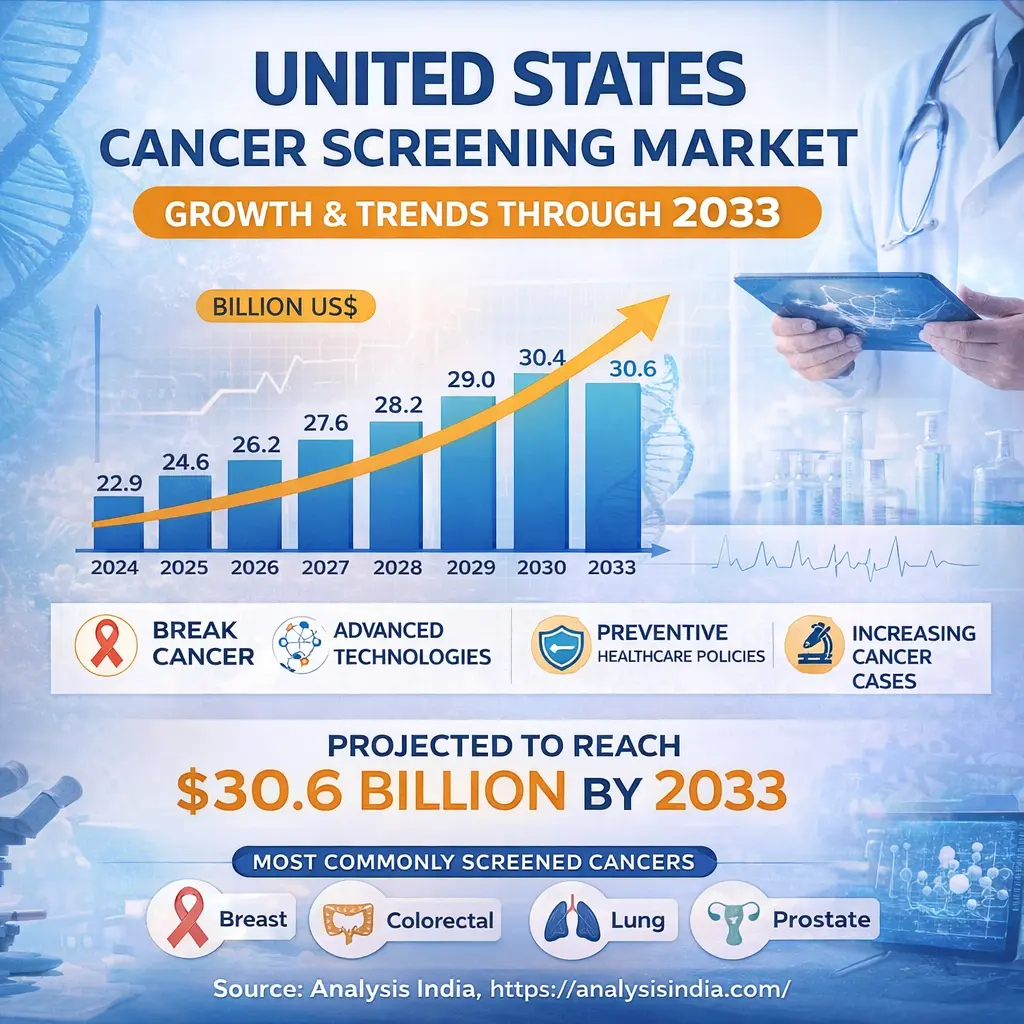
The United States plays a dominant role in this region. For broader screening insights, refer to United States Cancer Screening Market 2033.
Additionally, global organizations such as the U.S. Food and Drug Administration (FDA) play a critical role in approving and regulating liquid biopsy technologies, ensuring safety and effectiveness.
Asia Pacific
Asia Pacific is the fastest-growing region in the Global Liquid Biopsy Cancer Screening Market, driven by increasing healthcare expenditure and rising cancer awareness.
China is a major contributor, supported by government initiatives and expanding screening programs. Explore China Cancer Screening Market.
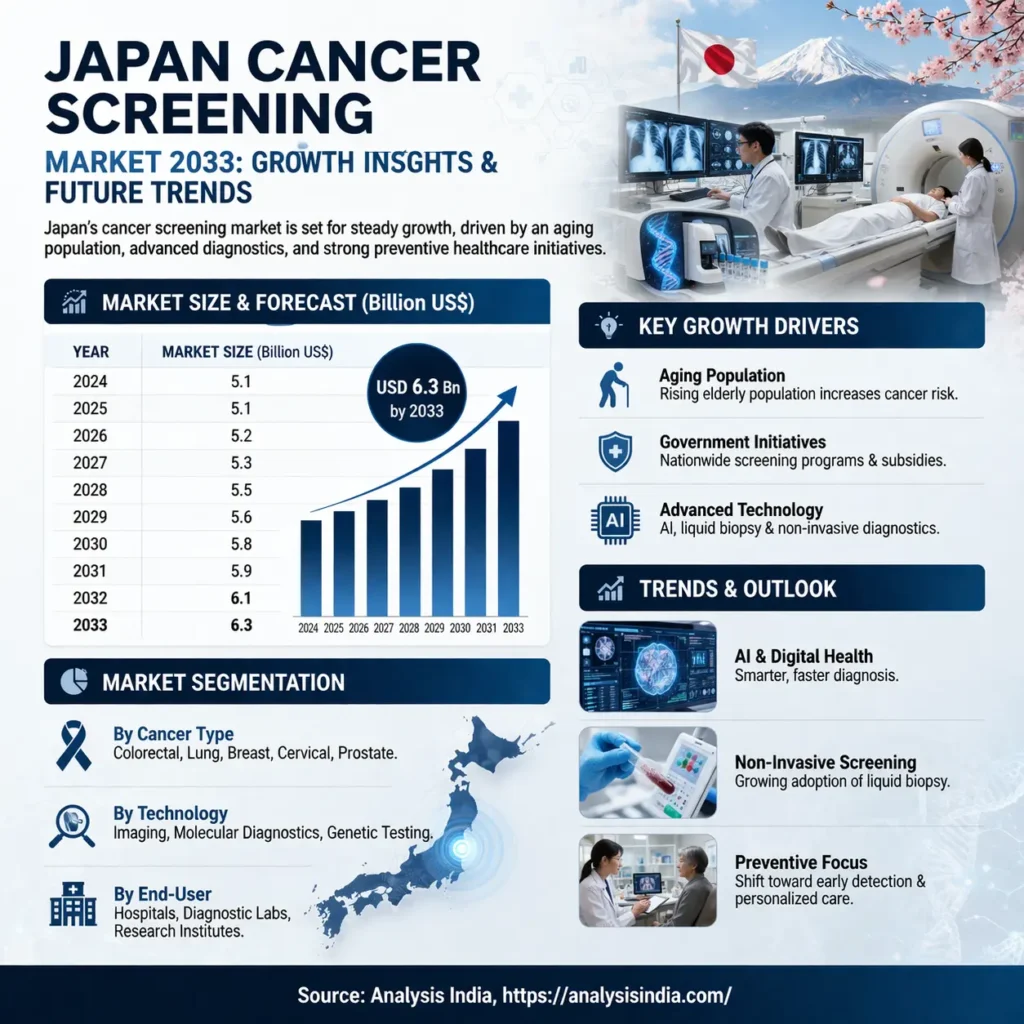
Japan is known for its advanced healthcare system and technological innovation. Refer to Japan Cancer Screening Market 2033 Growth.
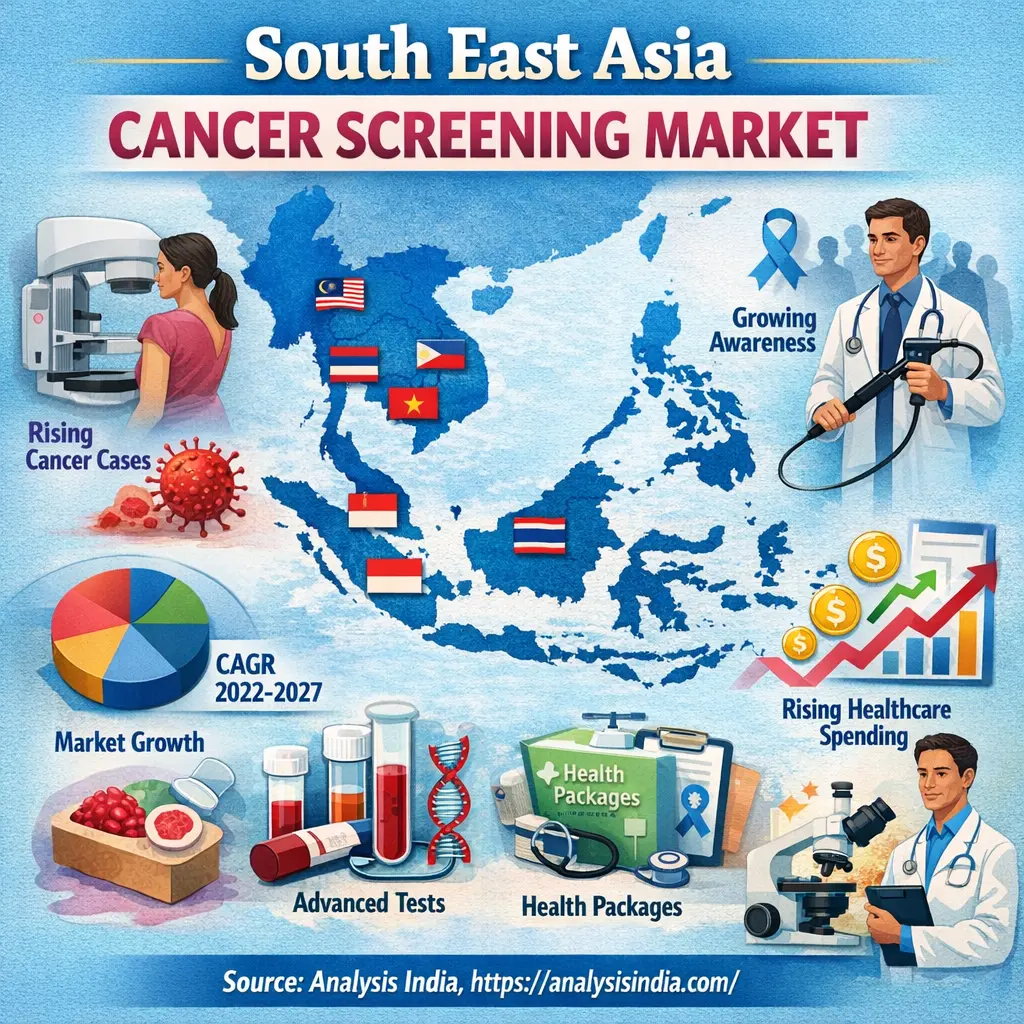
South East Asia is emerging as a high-growth region due to improving healthcare infrastructure. Visit South East Asia Cancer Screening Market 2033.
Global institutions such as the International Agency for Research on Cancer (IARC) are actively involved in cancer research across Asia Pacific, supporting early detection initiatives.
Europe
Europe holds a significant share in the Global Liquid Biopsy Cancer Screening Market, supported by strong healthcare systems and government initiatives.
Organizations such as the European Medicines Agency (EMA) play a key role in regulating diagnostic technologies and ensuring their safety and effectiveness.
Countries like Germany, France, and the United Kingdom are leading the adoption of liquid biopsy technologies, driven by increasing awareness and healthcare investments.
Latin America and Middle East & Africa
These regions are gradually adopting liquid biopsy technologies, supported by improving healthcare infrastructure and international collaborations.
Organizations such as the Pan American Health Organization (PAHO) are working to improve cancer screening and healthcare access in Latin America.
In the Middle East and Africa, increasing investment in healthcare and partnerships with global organizations are expected to drive market growth.
Competitive Landscape and Company Profiles
The Global Liquid Biopsy Cancer Screening Market is highly competitive, with several global players focusing on innovation, partnerships, and expansion strategies.
Illumina Inc.
Illumina is a global leader in genomic sequencing technologies. The company’s platforms are widely used in liquid biopsy applications, enabling high-precision genetic analysis. Illumina continues to invest heavily in research and development, strengthening its position in the market.
Guardant Health
Guardant Health specializes in liquid biopsy-based diagnostics, offering advanced solutions for cancer detection and monitoring. The company is known for its strong clinical focus and continuous innovation.
Roche Diagnostics
Roche is a major player in the diagnostics industry, offering a wide range of liquid biopsy solutions. The company collaborates with research institutions to develop advanced diagnostic technologies.
Bio-Rad Laboratories
Bio-Rad focuses on digital PCR technologies, which are essential for detecting rare genetic mutations. Its solutions are widely used in both research and clinical applications.
Thermo Fisher Scientific
Thermo Fisher provides comprehensive genomic analysis solutions, including liquid biopsy technologies. The company’s global presence and diverse product portfolio make it a key player in the market.
Technology Trends Shaping the Market
Technological advancements are driving the Global Liquid Biopsy Cancer Screening Market, enabling more accurate and efficient diagnostics.
Next-Generation Sequencing (NGS)
NGS allows for comprehensive genomic profiling, enabling the detection of multiple mutations simultaneously. Organizations such as the National Human Genome Research Institute (NHGRI) emphasize the importance of genomic technologies in advancing cancer diagnostics.
Digital PCR
Digital PCR provides high sensitivity and precision, making it ideal for detecting low-abundance biomarkers in liquid biopsy samples.
Artificial Intelligence and Big Data
AI and big data analytics are transforming the diagnostic landscape by enabling faster and more accurate data analysis. These technologies improve decision-making and enhance clinical outcomes.
Market Forecast (2025–2033)
The Global Liquid Biopsy Cancer Screening Market is expected to witness strong growth during the forecast period, driven by increasing cancer prevalence and technological advancements.
Global health organizations such as the World Bank highlight the growing investment in healthcare infrastructure, which is expected to support market expansion.
The expansion of screening programs and increasing adoption of precision medicine will further drive demand for liquid biopsy technologies.
Strategic Insights for Stakeholders
For Investors
The market offers significant investment opportunities due to its high growth potential. Investors can benefit from increasing demand for advanced diagnostic solutions and technological innovation.
For Healthcare Providers
Healthcare providers can improve patient outcomes by adopting liquid biopsy technologies. These solutions enable early detection and personalized treatment.
For Policymakers
Policymakers play a crucial role in developing supportive regulatory frameworks and promoting awareness about cancer screening.
Future Outlook
The future of the Global Liquid Biopsy Cancer Screening Market is highly promising, with continuous advancements in technology and increasing adoption of precision medicine.
Emerging trends such as multi-cancer detection, home-based testing, and integration with wearable technologies are expected to shape the market.
Conclusion
The Global Liquid Biopsy Cancer Screening Market is set to redefine cancer diagnostics by offering non-invasive, accurate, and scalable solutions. As demand for early detection and personalized medicine continues to grow, the market will witness significant expansion.
By aligning with broader cancer screening trends and leveraging technological advancements, stakeholders can unlock new opportunities and contribute to improved global health outcomes.
FAQs: Global Liquid Biopsy Cancer Screening Market
What is the Global Liquid Biopsy Cancer Screening Market?
The Global Liquid Biopsy Cancer Screening Market refers to the industry focused on non invasive cancer detection using blood or body fluid samples. It helps identify cancer biomarkers without the need for surgery.
Why is liquid biopsy important in cancer screening?
Liquid biopsy is important because it allows early cancer detection with minimal risk. It improves patient comfort and enables continuous monitoring of disease progression.
What are the key drivers of the Global Liquid Biopsy Cancer Screening Market?
The main drivers include rising cancer cases, growing demand for non invasive diagnostics, advancements in genomic technologies, and increasing adoption of precision medicine.
Which cancer types are commonly detected using liquid biopsy?
Liquid biopsy is widely used for detecting lung cancer, breast cancer, colorectal cancer, and prostate cancer. It is also being developed for multi cancer detection.
What are the major challenges in this market?
High cost of testing, regulatory issues, and limited awareness in developing regions are the key challenges affecting market growth.
Which region dominates the Global Liquid Biopsy Cancer Screening Market?
North America leads the market due to strong healthcare infrastructure and advanced research capabilities. Asia Pacific is the fastest growing region.
Who are the key companies in the liquid biopsy market?
Major companies include Illumina, Guardant Health, Roche Diagnostics, Bio Rad Laboratories, and Thermo Fisher Scientific.
What is the future of the Global Liquid Biopsy Cancer Screening Market?
The market is expected to grow rapidly with advancements in technology, expansion of screening programs, and increasing focus on early cancer detection.
How does this article connect with other cancer screening insights?
This article complements our main guide on Cancer Screening Market Growth Trends Insights and supports upcoming cluster pages for better SEO structure.