Analysis India: India medical tourism 2025 is witnessing strong and sustained growth, positioning the country as one of the world’s leading destinations for international patients. Over the years, India has built a robust healthcare ecosystem that combines advanced medical treatment with traditional wellness systems. In 2025, this convergence is becoming even more visible as global patients increasingly seek value-driven healthcare supported by holistic recovery options. India’s appeal lies in its ability to offer quality treatment, skilled medical professionals, modern infrastructure, and wellness-based recovery within a single destination. Patients from Asia, Africa, the Middle East, Europe, and North America are choosing India not only for cost advantages but also for the depth and diversity of healthcare services available.
Why India Medical Tourism 2025 Is Expanding Rapidly
India medical tourism 2025 is growing due to structural strengths developed over decades. The country has invested heavily in hospital infrastructure, specialist training, and digital healthcare systems. At the same time, India continues to preserve and promote its traditional healthcare practices such as Ayurveda, Yoga, and naturopathy.
Unlike destinations focused only on procedures, India offers a complete healthcare journey. International patients can undergo advanced surgery, receive post-treatment rehabilitation, and follow structured wellness programs without leaving the country. This integrated model is a key factor driving repeat visits and long-term trust.
Cost Advantage Remains the Foundation of India Medical Tourism
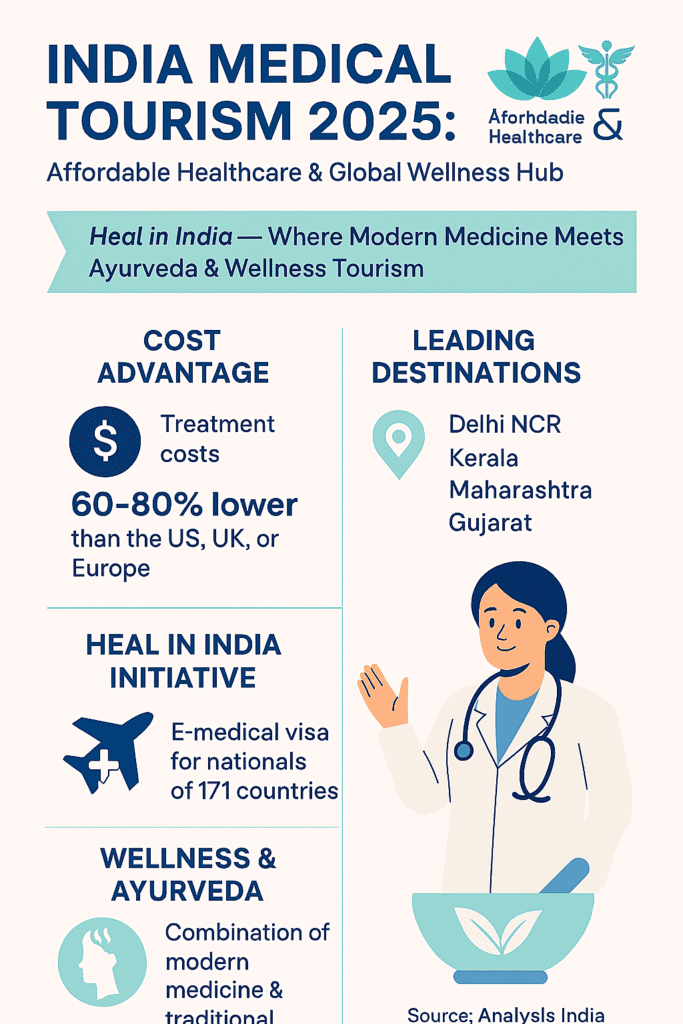
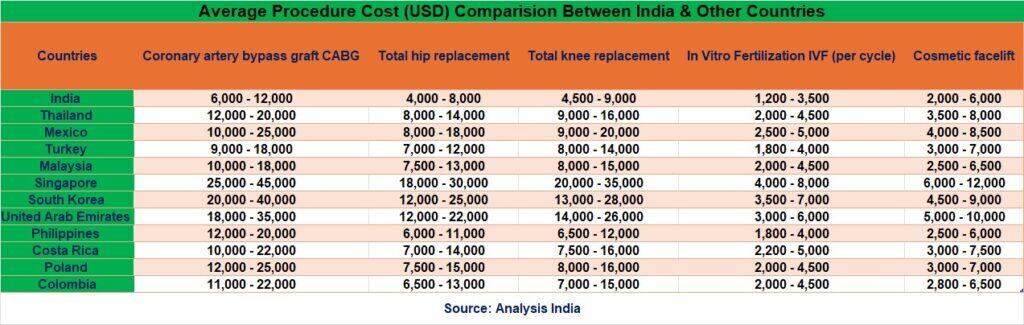
A central pillar of India medical tourism 2025 is affordability. Medical procedures in India are available at significantly lower costs compared to developed healthcare markets, while maintaining globally accepted quality standards.
Treatments such as cardiac surgery, orthopaedic procedures, oncology care, fertility treatment, and organ transplants attract international patients seeking both financial and clinical value. In addition to treatment costs, patients also benefit from lower accommodation expenses, shorter hospital stays, and reduced waiting periods.
Minimal waiting time is particularly important for patients from regions where access to specialised care is delayed. Faster treatment availability improves patient outcomes and strengthens India’s position in medical value travel.
Advanced Medical Infrastructure and Skilled Workforce
India medical tourism 2025 is supported by a large network of multi-speciality hospitals, speciality clinics, and diagnostic centres. Both public and private healthcare providers contribute to this ecosystem.
Indian doctors are widely recognised for their clinical expertise and global exposure. Many specialists are trained or experienced in international healthcare systems, which improves communication and treatment alignment with foreign patients. Supporting staff, including nurses and care coordinators, are increasingly trained to manage international patient needs.
Digital health tools such as electronic medical records, teleconsultations, and remote monitoring enhance continuity of care before and after travel.
Top Medical and Wellness Tourism Destinations in India
Delhi NCR
Delhi NCR remains a key gateway for India medical tourism 2025. The region hosts major hospitals specialising in cardiology, oncology, neurology, orthopaedics, and transplants. Strong air connectivity and supporting hospitality infrastructure make it convenient for international patients and caregivers.
Kerala
Kerala holds a unique position due to its global recognition in Ayurveda and wellness tourism. Many international patients choose Kerala for post-treatment recovery and lifestyle therapy. Integrated wellness packages combining Panchakarma, Yoga, meditation, and diet management support physical and mental healing.
Maharashtra
Mumbai and Pune continue to attract medical tourists for cancer care, cosmetic surgery, fertility treatments, dental care, and orthopaedics. Maharashtra benefits from a dense network of private hospitals and specialists, supported by advanced diagnostic and surgical facilities.
Gujarat
Gujarat is emerging as a growing medical tourism hub under strong government support. The state is developing cardiac and oncology services alongside wellness-focused healthcare models, offering international patients structured treatment and recovery environments.
South India
Chennai and Bengaluru remain important contributors to India medical tourism 2025. Chennai is widely recognised for organ transplants and complex surgeries, while Bengaluru leads in medical technology adoption, robotic surgery, and infertility treatments.
Heal in India: Government Support Driving Medical Tourism
The Heal in India initiative plays a critical role in shaping India medical tourism 2025. This government-backed program focuses on simplifying the patient journey while improving transparency and accessibility.
Key features include streamlined medical visa processes, e-medical and AYUSH visa options, digital hospital directories, and standardised treatment information. Accreditation and quality benchmarks are encouraged to align Indian healthcare providers with global expectations.
Heal in India also promotes decentralisation by supporting medical tourism development in Tier II and Tier III cities, expanding capacity beyond major metros.
Integration of Modern Medicine and Traditional Wellness
A defining advantage of India medical tourism 2025 is the seamless integration of modern healthcare with traditional wellness systems. Ayurveda, Yoga, meditation, and naturopathy are increasingly used alongside clinical treatment and rehabilitation.
This approach supports long-term recovery and preventive health. International patients value the opportunity to combine surgery or therapy with natural healing practices under medical supervision. Wellness centres and hospitals collaborate to design recovery programs tailored to individual patient needs.
This integrated healthcare model differentiates India from other medical tourism destinations that focus primarily on procedural treatment.
Role of Digital Health and Technology
Digital transformation is strengthening India medical tourism 2025. Telemedicine allows international patients to consult doctors before travel and continue follow-up care after returning home. This improves trust and treatment continuity.
Artificial intelligence supports diagnostics, imaging, and treatment planning, while electronic health records enhance coordination across providers. Digital platforms also improve billing transparency and patient communication, reducing uncertainty for foreign patients.
Expansion Beyond Major Cities
India medical tourism 2025 is increasingly moving beyond metro cities. Infrastructure investment and policy support are enabling smaller cities to develop specialised healthcare and wellness clusters.
These emerging destinations offer lower costs, personalised care, and quieter recovery environments. Improved connectivity is encouraging international patients to consider non-metro locations for treatment and rehabilitation.
This expansion supports inclusive growth while increasing national medical tourism capacity.
India’s Competitive Position in Global Medical Tourism
India stands out globally by offering a comprehensive healthcare experience. While some countries specialise in selected procedures, India provides end-to-end solutions covering diagnosis, treatment, recovery, wellness, and cultural engagement.
The ability to combine advanced medical care with holistic wellness and cultural depth positions India medical tourism 2025 as a long-term global leader rather than a niche destination.
Challenges and Opportunities Ahead
Despite strong growth, India medical tourism 2025 faces challenges such as ensuring uniform quality standards, improving language support, and enhancing patient facilitation services. Coordinated branding and digital integration across healthcare and tourism sectors remain important.
Addressing these gaps through investment, training, and technology adoption can further strengthen India’s leadership in medical tourism.
Future Outlook for India Medical Tourism
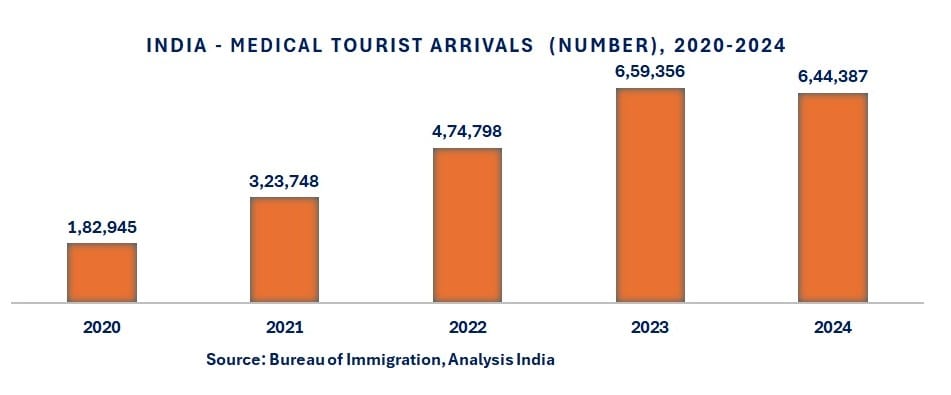
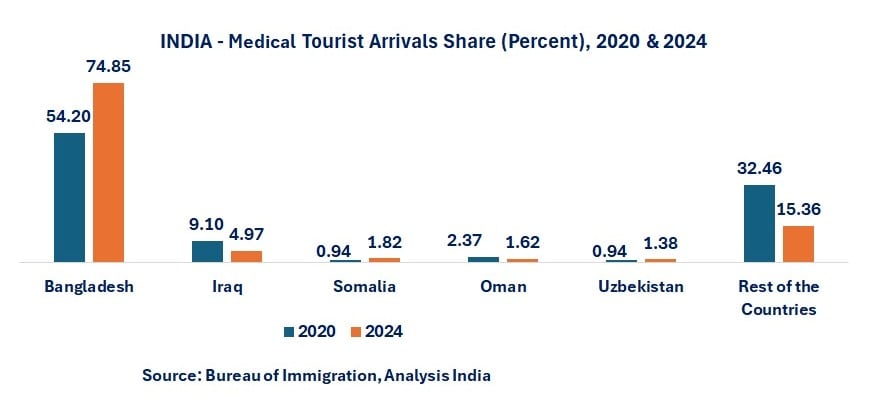
With over 131,000 medical tourists recorded in the first four months of 2025, India continues to attract patients from neighbouring countries and regions like Bangladesh, Iraq, Somalia, Oman, and Uzbekistan, among others. The outlook for India medical tourism 2025 remains positive. Rising global healthcare costs, growing acceptance of cross-border treatment, and continued government support are expected to drive long-term growth. Projections for India’s medical tourism market are strong: estimates suggest the industry will leap from USD 18.2 billion in 2025 to USD 58.2 billion by 2035, at a compound annual growth rate of 12.3 percent. With continued government support, rapid digital health innovations, and deepening integration of holistic wellness, India is poised to become the world’s most preferred destination for medical and wellness tourism.
Conclusion
India medical tourism 2025 reflects the country’s strength in combining affordability, clinical expertise, and holistic healing traditions. Destinations such as Delhi NCR, Kerala, Maharashtra, Gujarat, and South India remain at the forefront, supported by initiatives like Heal in India.
For international patients, India offers more than medical treatment. It delivers a complete healing journey rooted in science, tradition, and culture. As the sector evolves, India is set to redefine global standards and establish itself as a true pillar of global medical and wellness tourism.