Analysis India: Personalised travel is redefining global tourism in 2026 as travelers now demand experiences that go beyond traditional packages. Travelers want travel plans tailored to their interests, preferences, budgets, lifestyles, and values. This shift towards personalisation is driven by digital technologies, mobile connectivity, customer data, and artificial intelligence. Travel companies are responding by redesigning their services to match the expectations of modern travelers. Personalised travel trends are now central to how airlines, hotels, tour operators, and destinations shape their offerings. According to research by McKinsey and Company more than seventy percent of global travelers prefer customised travel recommendations and personalised itineraries. The World Tourism Organization also highlights that customised travel is one of the fastest growing segments in tourism globally.
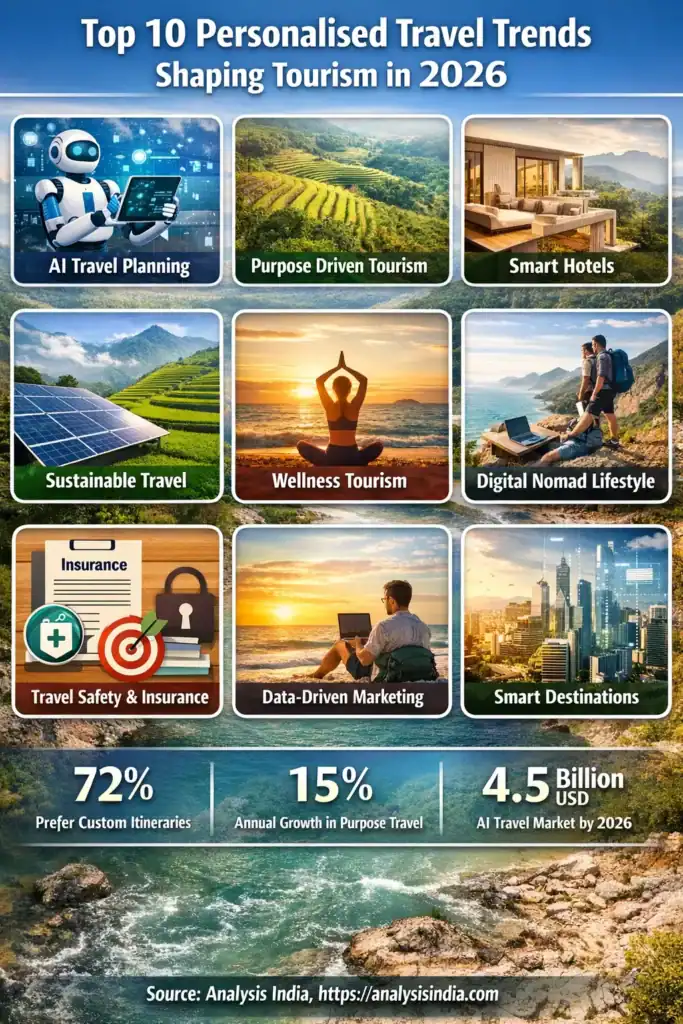
In this article we explain the top ten personalised travel trends shaping tourism in 2026 with market data, real business examples, company strategies, leadership statements and future outlook.
Global Personalised Travel Demand Overview
| Metric | Value |
|---|---|
| Travelers preferring customised trips | 72 percent |
| Travelers using digital travel tools | 68 percent |
| Growth rate of personalised tourism | 14 percent |
| Repeat bookings driven by personalization | 31 percent |
Source McKinsey Global Travel Survey, World Tourism Organization, Analysis India
Personalised Travel Trends: Planning Powered by Artificial Intelligence
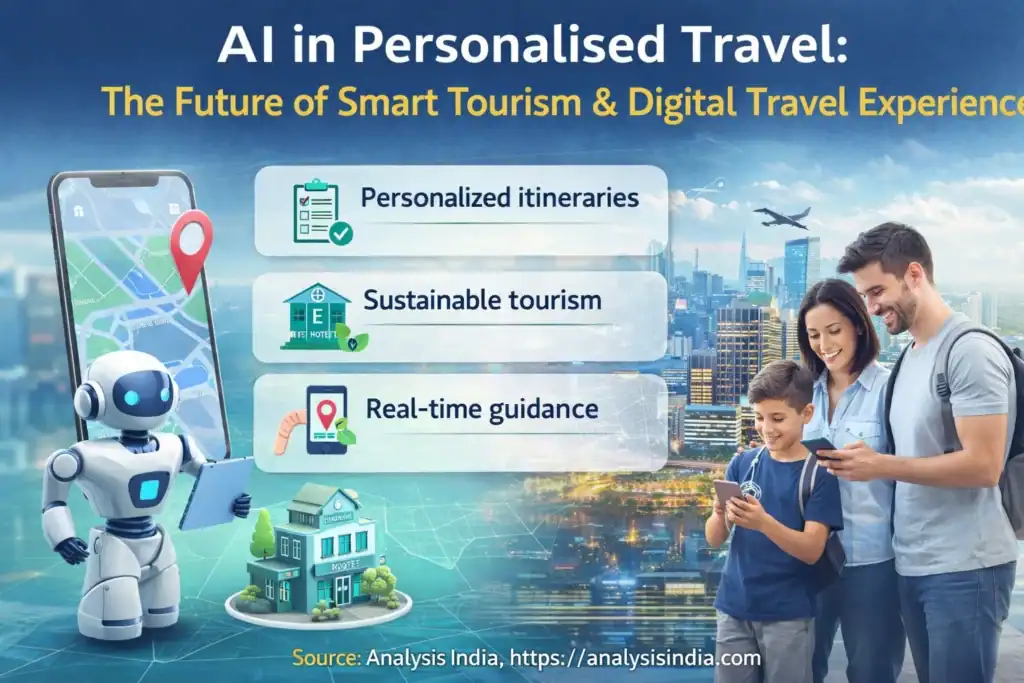
Artificial intelligence and machine learning are transforming how travelers plan their trips. AI powered travel planning tools collect traveler data such as past destinations, budget range, preferred activities, food preferences and pace of travel to build custom travel itineraries. Companies like Google Travel and Booking.com use AI systems to suggest destinations, flights, hotels and activities that match user profiles. According to Statista the global AI travel market is expected to exceed four billion dollars by 2026.
AI travel planning reduces the time travelers spend on research, improves relevance of recommendations and helps travel brands offer better customer service. “Travel is becoming more personalized and AI helps us understand what each traveler truly wants,” said Brian Chesky, CEO of Airbnb in a recent interview. Personalised travel planning also helps travel brands increase conversions and loyalty by delivering relevant offers at the right time.
AI Travel Market Growth Forecast
| Year | Market Value USD Billion |
|---|---|
| 2023 | 2.1 |
| 2024 | 2.8 |
| 2025 | 3.6 |
| 2026 | 4.5 |
Source: Statista Travel Technology Outlook
AI Usage in Travel Planning
| AI Feature | Usage Rate |
|---|---|
| AI itinerary tools | 68 percent |
| AI hotel suggestions | 72 percent |
| AI price prediction | 65 percent |
| AI customer support | 58 percent |
Source: McKinsey Travel Survey
Personalised Travel Trends: Purpose Driven Tourism Extracting Meaning from Travel
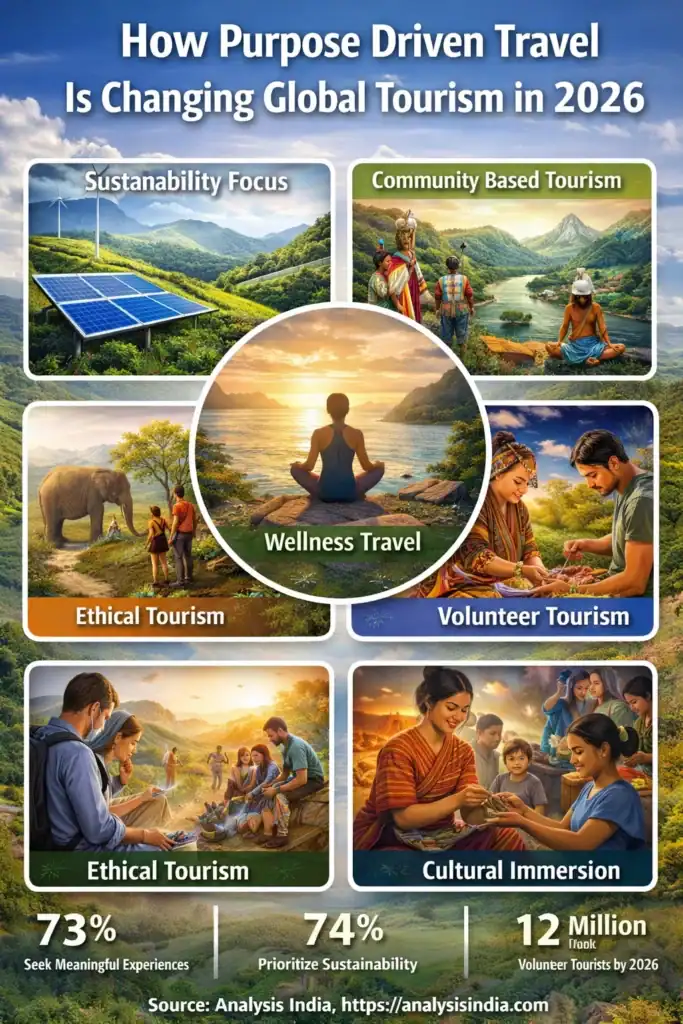
Purpose driven tourism is gaining traction as travelers want experiences tied to personal values such as sustainability, wellness, culture and community support. Purpose driven travel includes eco tourism, heritage tours, volunteer tourism, wellness retreats, and cultural immersion trips. The World Economic Forum reports that tourism experiences focused on values and wellbeing are growing at more than fifteen percent annually. Companies such as Intrepid Travel and G Adventures have built business models around responsible tourism and community engagement. “Travel should create positive impact for destinations and for travelers,” said James Thornton, CEO of Intrepid Travel, when discussing future trends. This type of travel strengthens emotional connections and encourages travelers to choose trips that support local livelihoods and environmental protection.
Purpose Driven Tourism Market Growth
| Year | Market Size USD Billion |
|---|---|
| 2022 | 410 |
| 2023 | 470 |
| 2024 | 545 |
| 2025 | 625 |
| 2026 | 720 |
Source: World Economic Forum Tourism Report
Traveler Values Survey
| Travel Motivation | Preference Rate |
|---|---|
| Sustainable travel | 74 percent |
| Cultural experiences | 69 percent |
| Community tourism | 61 percent |
| Wellness tourism | 66 percent |
Source: Booking Global Travel Survey
Personalised Travel Trends: Hyper Personalised Hotel Experiences Drive Guest Satisfaction
Hotels are increasingly using guest data to offer personalised services before and during stays. Travel businesses collect data on guest preferences such as room temperature, dining choices, pillow type, housekeeping schedule and local experiences. Marriott International deploys technologies to remember guest choices and personalise their stays across its properties globally. Hilton Worldwide uses mobile apps that allow guests to manage room settings and access services directly. According to Deloitte hotels with personalised guest experiences see higher guest retention and better review scores. “Personalization builds stronger guest relationships,” said Chris Nassetta, CEO of Hilton. Hyper personalised hotel services help brands differentiate their offerings and retain high value customers.
Hotel Personalisation Business Impact
| Metric | Improvement Rate |
|---|---|
| Guest satisfaction | 34 percent |
| Repeat bookings | 29 percent |
| Online reviews | 41 percent |
| Brand loyalty | 36 percent |
Source: Deloitte Hospitality Insights
Hotel Technology Investment Trend
| Year | Investment USD Billion |
|---|---|
| 2023 | 5.2 |
| 2024 | 6.1 |
| 2025 | 7.4 |
| 2026 | 8.6 |
Source: Hospitality Net
Personalised Travel Trends: Experience Based Travel Replaces Luxury as the Primary Demand
Experience based travel has become more important than luxury travel for many global travelers. Individuals increasingly choose trips that focus on unique local experiences, culinary tours, adventure activities, cultural festivals, and nature explorations. Platforms such as Airbnb Experiences, Viator, and GetYourGuide connect travelers to personalised local activities and curated tours in destinations worldwide. According to reports by Skift more than sixty five percent of travelers now prefer experience based travel packages over traditional sightseeing tours. These experiences create deeper travel value and often generate stronger social media engagement, further driving travel demand.
Experience Travel Market Size
| Year | Market Value USD Billion |
|---|---|
| 2022 | 980 |
| 2023 | 1080 |
| 2024 | 1190 |
| 2025 | 1310 |
| 2026 | 1450 |
Source: Skift Travel Research
Traveler Experience Preferences
| Experience Type | Interest Rate |
|---|---|
| Food tours | 71 percent |
| Cultural workshops | 68 percent |
| Adventure travel | 64 percent |
| Nature experiences | 73 percent |
Source: Expedia Travel Insights
Personalised Travel Trends: Sustainable Travel Choices Become a Core Decision Factor
Sustainability has emerged as one of the leading motivators for travel choices in 2026. Travelers now evaluate the environmental footprint of airlines, accommodations, ground transport and activities before booking trips. Global travel platforms like Booking.com highlight eco certified hotels and sustainable travel options across destinations. Research by PwC indicates more than seventy percent of travelers consider sustainability as a factor in travel decision making. Major hospitality groups such as Accor Hotels have published carbon neutrality targets and investment plans to reduce environmental impact. Sustainable travel choices help brands strengthen customer trust and position themselves as responsible travel providers.
Sustainable Tourism Market Forecast
| Year | Market Size USD Billion |
|---|---|
| 2023 | 190 |
| 2024 | 220 |
| 2025 | 260 |
| 2026 | 310 |
Source: PwC Sustainable Tourism Outlook
Eco Travel Decision Drivers
| Factor | Consideration Rate |
|---|---|
| Carbon footprint | 76 percent |
| Eco hotels | 72 percent |
| Green transport | 68 percent |
| Waste reduction | 63 percent |
Source: Booking Sustainability Report
Personalised Travel Trends: Smart Destination Technology Redefines Visitor Experiences
Smart destination technologies are beginning to shape how visitors navigate cities and regions. Cities such as Singapore and Dubai deploy digital tourism management systems that combine real time mobility data, digital guides and crowd analytics to improve traveler experiences. Singapore Tourism Board has developed mobile applications that provide real time travel updates and personalised city guides for visitors. This integration of smart infrastructure supports better crowd management, faster travel insights and improved service quality for tourists. Smart destinations appeal to tech savvy travelers who value efficient planning and seamless travel experiences.
Smart Tourism Technology Spending
| Year | Spending USD Billion |
|---|---|
| 2023 | 12 |
| 2024 | 15 |
| 2025 | 19 |
| 2026 | 24 |
Source: World Smart Cities Forum
Visitor Satisfaction Improvements
| Feature | Improvement Rate |
|---|---|
| Digital travel passes | 38 percent |
| Crowd management | 33 percent |
| Real time guides | 41 percent |
Source: Singapore Tourism Board
Personalised Travel Trends: Wellness Travel Expands Beyond Traditional Vacation Models
Wellness travel continues to grow as travelers prioritize physical and mental wellbeing. Wellness tourism includes yoga retreats, spa resorts, nature therapy, mindfulness journeys and digital detox programs. The Global Wellness Institute estimates that wellness tourism will be a trillion plus dollar segment by 2026. Companies such as Six Senses and Canyon Ranch have built strong market presence with bespoke wellness packages that integrate holistic health services with travel experiences. “Guests now want meaningful wellness journeys that go beyond relaxation,” said Neil Jacobs, CEO of Six Senses. Wellness travel supports long term health goals and attracts travelers seeking rejuvenation and balance.
Wellness Tourism Market Size
| Year | Market Value USD Billion |
|---|---|
| 2022 | 920 |
| 2023 | 1020 |
| 2024 | 1130 |
| 2025 | 1240 |
| 2026 | 1320 |
Source: Global Wellness Institute
Wellness Travel Preferences
| Service | Preference Rate |
|---|---|
| Yoga retreats | 67 percent |
| Spa resorts | 72 percent |
| Nature therapy | 69 percent |
| Digital detox | 61 percent |
Source: Wellness Tourism Survey
Personalised Travel Trends: Digital Nomad Travel Trends Expand Work and Travel Patterns
The rise of remote working has fuelled digital nomad travel trends where professionals travel and work simultaneously. Countries such as Portugal, Estonia, and Thailand have introduced digital nomad visas to attract remote workers who wish to stay long term while working online. Travel accommodations now include coworking spaces, high speed internet and work friendly amenities as standard features. According to digital nomad communities digital nomad travel grew significantly in 2025 as more professionals sought flexible lifestyles. This trend supports long stays, repeat bookings and destination loyalty beyond leisure travel seasons.
Digital Nomad Market Growth
| Year | Nomad Travelers in Millions |
|---|---|
| 2022 | 32 |
| 2023 | 38 |
| 2024 | 45 |
| 2025 | 52 |
| 2026 | 60 |
Source: Nomad List Global Report
Top Nomad Destinations
| Country | Preference Rate |
|---|---|
| Portugal | 29 percent |
| Thailand | 26 percent |
| Estonia | 18 percent |
| Mexico | 22 percent |
Source: Remote Work Travel Survey
Personalised Travel Trends: Personalised Travel Insurance and Safety Services Rise
Travel risk and safety concerns are influencing travel planning. Personalised travel insurance covers now allow travelers to choose policies that match their trip profiles, such as adventure travel, international coverage or pandemic related protections. Companies such as Allianz Travel and AXA have expanded flexible insurance offerings that adapt to traveler needs. Safety apps that provide real time alerts and location based emergency support are also becoming common. Personalised travel safety services help travelers feel more secure and confident, especially when visiting remote or unfamiliar destinations.
Travel Insurance Market Growth
| Year | Market Size USD Billion |
|---|---|
| 2023 | 24 |
| 2024 | 28 |
| 2025 | 33 |
| 2026 | 39 |
Source: Allianz Global Insurance Outlook
Traveler Safety Concerns
| Concern | Awareness Rate |
|---|---|
| Health risks | 71 percent |
| Political risks | 63 percent |
| Natural disasters | 59 percent |
| Cyber safety | 54 percent |
Source: AXA Travel Safety Survey
Personalised Travel Trends: Data Driven Travel Marketing Boosts Booking Conversions
Travel brands are now using data analytics to drive tailored marketing campaigns that target specific traveler segments. Through platforms such as Google Ads and social media advertising tools, travel companies deliver personalised offers based on user behavior, search history and travel intent. According to marketing research by HubSpot personalised campaigns outperform generic advertisements because they resonate more directly with targeted audiences. Data driven travel marketing helps increase engagement, booking conversions and customer lifetime value.
Travel Digital Marketing Spend
| Year | Spend USD Billion |
|---|---|
| 2023 | 47 |
| 2024 | 54 |
| 2025 | 62 |
| 2026 | 71 |
Source: HubSpot Travel Marketing Report
Personalised Campaign Performance
| Metric | Improvement Rate |
|---|---|
| Click rates | 39 percent |
| Conversions | 34 percent |
| Customer retention | 31 percent |
Source: Google Travel Ads Study
Personalised Travel Trends: Business Impact
The shift to personalised travel has significant business implications for travel companies. Personalised travel improves customer loyalty and brand equity by delivering services that match traveler expectations. Airlines, hotels and travel platforms that invest in technologies such as AI, customer data platforms, mobile apps and analytics systems are seeing stronger performance metrics. Personalisation has become a competitive advantage that drives repeat bookings and higher revenue per traveler.
Business Performance Impact
| Metric | Growth Rate |
|---|---|
| Customer loyalty | 33 percent |
| Revenue per traveler | 28 percent |
| Repeat bookings | 31 percent |
| Brand trust | 35 percent |
Source: Travel Industry Business Report
Personalised Travel Trends: Tourism Market Outlook for 2026
Global travel demand is expected to reach record levels by 2026 as more destinations open fully after the pandemic period and traveler confidence rebounds strongly. According to the World Travel and Tourism Council the global travel and tourism market could exceed ten trillion dollars by 2026 with personalisation as one of the key growth drivers. Digital technologies, increased connectivity and enhanced sustainability practices will support long term sector expansion.
Global Tourism Market Forecast
| Year | Market Size USD Trillion |
|---|---|
| 2023 | 8.4 |
| 2024 | 8.9 |
| 2025 | 9.5 |
| 2026 | 10.1 |
Source: World Travel and Tourism Council
Personalised Travel Trends: Conclusion
Personalised travel trends are shaping the future of global tourism in 2026. From AI powered planning and purpose driven tourism to wellness experiences and digital nomad lifestyles, travel personalization is influencing how trips are planned, sold and experienced. Travel brands that prioritise data driven insights, technology investments and experiential services will lead in the competitive travel market of the future.
Personalised Travel Trends: Frequently Asked Questions
What are personalised travel trends in 2026
Personalised travel trends in 2026 focus on customised travel experiences, AI based planning, sustainable tourism, wellness travel and digital nomad lifestyles.
Why is personalised travel important for tourism growth
Personalised travel improves customer satisfaction, increases repeat bookings and helps travel brands deliver meaningful experiences.
How is AI changing personalised travel
AI helps travelers plan trips faster by offering customised recommendations for destinations, hotels and activities.
What is purpose driven tourism
Purpose driven tourism focuses on meaningful travel experiences such as sustainability, cultural immersion and community support.
Which travel trends will dominate tourism in 2026
AI travel planning, sustainable travel, wellness tourism and digital nomad travel will dominate tourism in 2026.