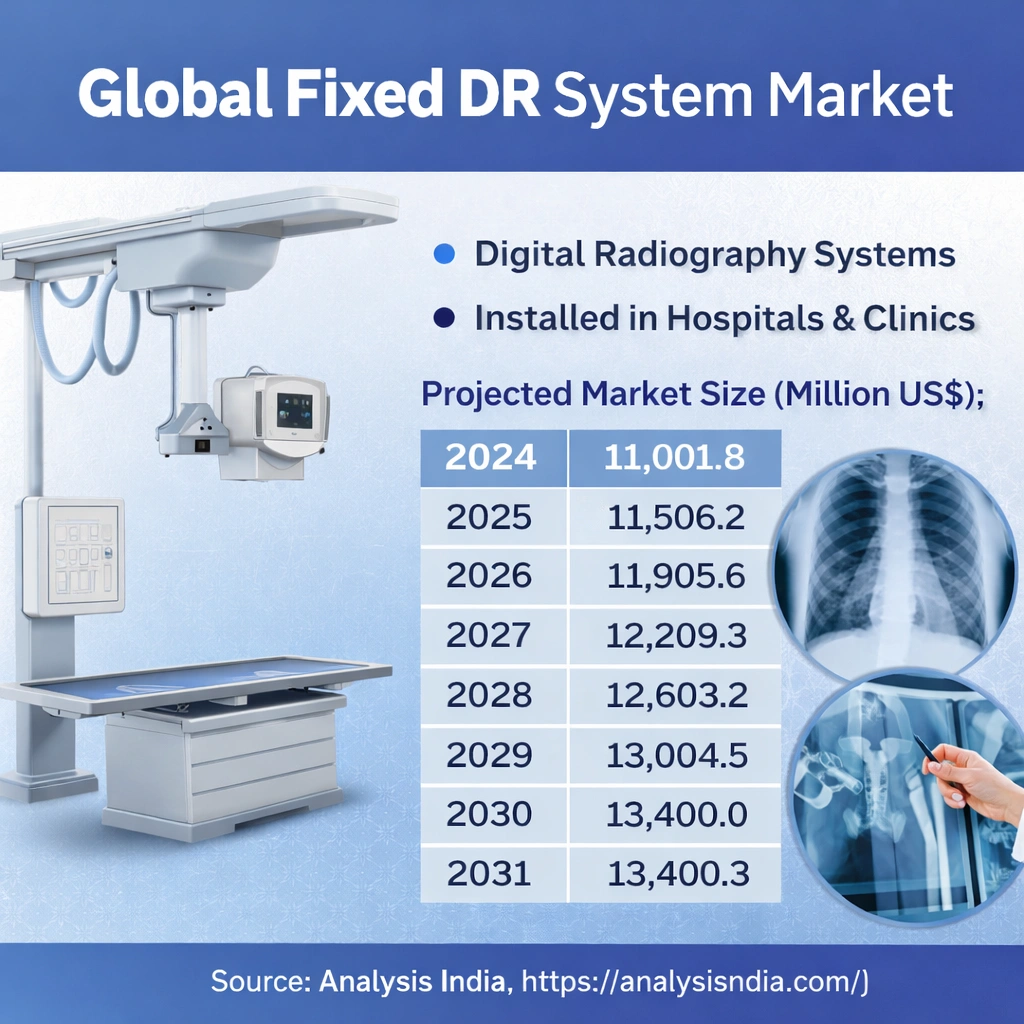
Global Fixed DR System Market Overview
The global fixed DR system market forms an important diagnostic imaging segment within the broader global medical device market, driven by infrastructure upgrades and hospital imaging investments. Fixed DR systems are permanently installed digital X-ray solutions widely used in hospitals, diagnostic imaging centers, and specialty clinics. These systems support high patient throughput, consistent image quality, and advanced diagnostic workflows, making them a preferred choice for centralized imaging departments.
The global fixed DR system market continues to gain traction as healthcare providers prioritize reliable imaging infrastructure, workflow efficiency, and integration with hospital information systems. Fixed DR systems are commonly deployed in radiology departments where long-term operational stability and image standardization are essential.
Global Fixed DR System Market Size Analysis
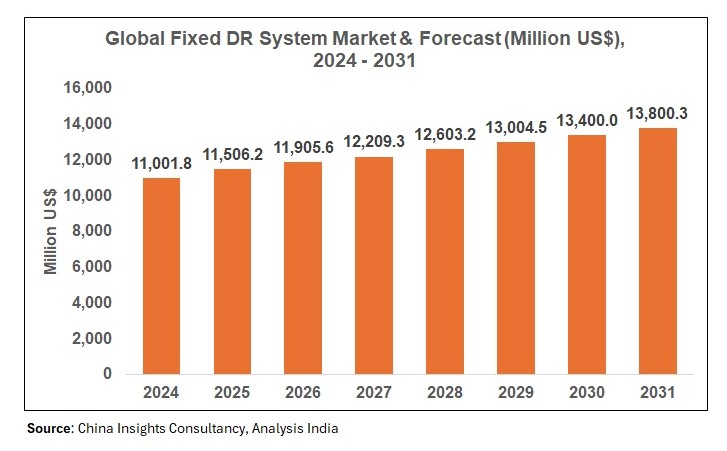
The global fixed DR system market size shows steady expansion over the forecast period, supported by healthcare infrastructure upgrades and ongoing replacement of conventional radiography units.
The data reflects a stable upward trajectory for the global fixed DR system market, driven by institutional demand and sustained capital investment in diagnostic imaging equipment.
Key Drivers of the Global Fixed DR System Market
Fixed DR systems play a vital role within diagnostic medical devices defined by international healthcare frameworks such as those outlined by the World Health Organization. The global fixed DR system market is influenced by several structural and operational factors within healthcare systems worldwide.
One of the primary drivers is the increasing reliance on centralized imaging workflows in hospitals. Fixed DR systems offer consistent positioning, standardized image acquisition, and seamless integration with PACS and RIS platforms. These features support clinical accuracy and efficient patient management.
Another important driver is the growing preference for high-capacity diagnostic equipment in urban and tertiary care hospitals. Fixed DR systems are designed for continuous use and are often selected for departments handling large patient volumes and complex diagnostic cases.
Ongoing modernization of public healthcare infrastructure across emerging economies also contributes to demand. Governments and healthcare providers continue to invest in permanent imaging installations to improve diagnostic accessibility and service quality.
Technology Trends in the Global Fixed DR System Market
Technological evolution plays a central role in shaping the global fixed DR system market landscape.
Modern fixed DR systems increasingly feature flat-panel detectors, automated positioning systems, and enhanced image processing software. These advancements support improved workflow efficiency and diagnostic clarity without changing established clinical protocols.
Integration with hospital digital ecosystems is another notable trend. Fixed DR systems are being designed to align with electronic medical records, cloud-based storage solutions, and AI-assisted diagnostic platforms, enhancing long-term usability.
Manufacturers are also focusing on ergonomic design improvements and adaptable room configurations, allowing fixed DR installations to meet diverse clinical needs while optimizing available space.
Global Fixed DR System Market Segmentation
By Detector Type
The global fixed DR system market is segmented based on detector technology, including indirect flat-panel detectors and direct flat-panel detectors. Each segment serves different imaging preferences and institutional requirements.
By End User
Hospitals represent the largest end-user segment due to their reliance on permanent radiography infrastructure. Diagnostic imaging centers and specialty clinics also contribute to market demand, particularly in regions with expanding private healthcare networks.
By Application
Fixed DR systems are widely used in general radiography, orthopedic imaging, chest imaging, and trauma diagnostics, supporting a broad range of clinical examinations.
Regional Insights: Global Fixed DR System Market
From a regional perspective, the global fixed DR system market shows varied adoption patterns.
North America and Europe continue to maintain strong demand due to established healthcare infrastructure and routine equipment upgrades. These regions emphasize system reliability, digital integration, and compliance with imaging standards.
Asia Pacific is emerging as a significant growth region for fixed DR systems. Expanding hospital networks, urban healthcare development, and increasing diagnostic service demand contribute to broader market penetration.
Latin America and the Middle East & Africa show gradual adoption, supported by healthcare modernization initiatives and investment in diagnostic imaging capabilities.
Competitive Landscape of the Global Fixed DR System Market
The global fixed DR system market features a mix of multinational imaging technology providers and regional manufacturers. Companies focus on portfolio expansion, technology refinement, and long-term service support to strengthen their market presence. Fixed DR systems used for diagnostic radiology must comply with radiation safety practices promoted by the International Atomic Energy Agency.
Product differentiation is commonly driven by detector performance, system durability, software capabilities, and compatibility with hospital imaging infrastructure.
While fixed installations dominate centralized imaging departments, mobile solutions covered in the global mobile DR system market address bedside and emergency diagnostic needs.
Global Fixed DR System Market Outlook
The outlook for the global fixed DR system market remains stable through 2031. Demand is expected to align with healthcare infrastructure development, replacement cycles for aging radiography equipment, and the continued importance of centralized diagnostic imaging.
Fixed DR systems are likely to remain a foundational component of hospital radiology departments, supporting consistent imaging performance and integrated diagnostic workflows.
Conclusion
The global fixed DR system market plays a vital role within the digital radiography ecosystem. With steady market size expansion, technological enhancements, and sustained institutional demand, fixed DR systems continue to support modern diagnostic imaging needs worldwide.
As healthcare providers emphasize reliability, workflow efficiency, and digital integration, the global fixed DR system market is positioned to remain an essential segment of the global medical device industry.
Frequently Asked Questions (FAQs)
What is a fixed DR system in medical imaging?
A fixed DR system is a permanently installed digital radiography system used in hospitals and diagnostic imaging centers. It captures X-ray images digitally and supports high-volume, centralized diagnostic workflows.
How does a fixed DR system differ from a mobile DR system?
A fixed DR system operates in a dedicated radiography room and is designed for continuous use. Mobile DR systems are portable and used mainly for bedside or emergency imaging applications.
What factors are driving the global fixed DR system market?
The global fixed DR system market is driven by healthcare infrastructure upgrades, replacement of conventional radiography units, and increasing demand for standardized diagnostic imaging systems.
Where are fixed DR systems commonly used?
Fixed DR systems are commonly used in hospital radiology departments, diagnostic imaging centers, and specialty clinics for applications such as chest imaging, orthopedic diagnostics, and general radiography.
What technologies are used in modern fixed DR systems?
Modern fixed DR systems use flat-panel detectors, advanced image processing software, and integrated digital platforms to support efficient imaging workflows and reliable diagnostic output.
hat is the outlook for the global fixed DR system market?
The global fixed DR system market is expected to show steady expansion through 2031, supported by ongoing hospital investments and the continued importance of centralized diagnostic imaging.