📅 Published: April 22, 2026
🔄 Last Updated: April 22, 2026
Introduction: Expanding Scope of Lung Cancer Molecular Screening Market
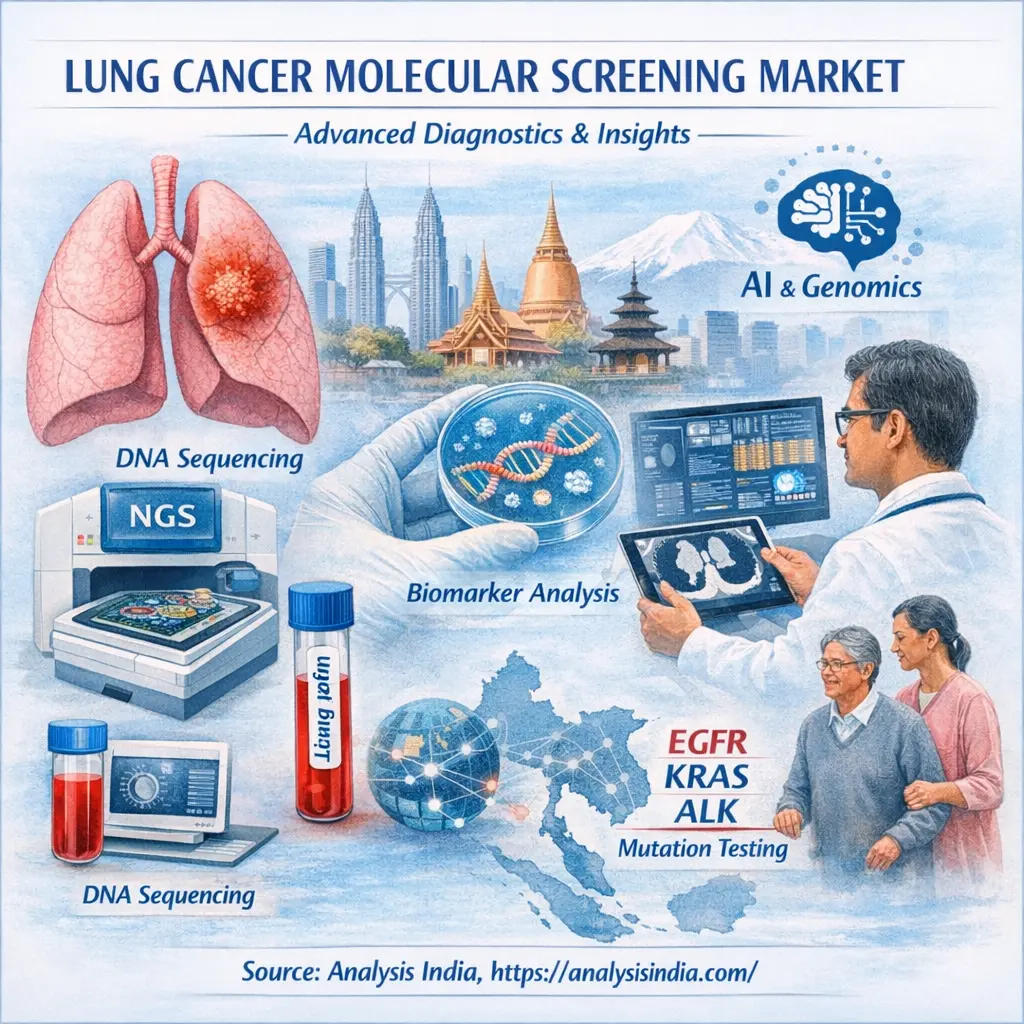
The Lung Cancer Molecular Screening Market is evolving rapidly as healthcare systems worldwide transition toward more precise and data-driven diagnostic approaches. Lung cancer continues to be one of the most challenging diseases due to its late-stage detection in many patients. Traditional screening methods such as low-dose CT scans have improved early detection rates, yet they are limited in identifying cancer at the molecular level. This limitation has accelerated the adoption of molecular screening technologies that provide deeper biological insights and enable earlier intervention.
The emergence of advanced diagnostic techniques such as Liquid Biopsy and Next Generation Sequencing has significantly reshaped the screening landscape. These technologies allow clinicians to detect cancer-related genetic mutations through non-invasive or minimally invasive methods, improving both accuracy and patient comfort. As a result, the Lung Cancer Molecular Screening Market is becoming a key segment within the broader oncology diagnostics ecosystem.
This transformation is closely linked with developments in the lung cancer screening market, where molecular diagnostics are increasingly integrated with imaging techniques to create a comprehensive screening framework.
Market Definition and Clinical Relevance
The Lung Cancer Molecular Screening Market refers to diagnostic processes that identify lung cancer using molecular biomarkers such as DNA mutations, RNA expression, and circulating tumor components. Unlike conventional screening, which relies on imaging to detect physical abnormalities, molecular screening focuses on identifying cancer at a cellular and genetic level.
This approach is particularly valuable in detecting cancer at an early stage, even before tumors become visible through imaging. Early detection is critical for improving survival rates, as lung cancer outcomes are significantly better when diagnosed in its initial stages.
The growing importance of molecular screening is strongly associated with the rise of Precision Medicine, where treatments are tailored based on individual genetic profiles. This shift toward personalized healthcare is driving the demand for advanced diagnostic solutions, positioning the Lung Cancer Molecular Screening Market as a vital component of modern oncology.
Key Growth Drivers of Lung Cancer Molecular Screening Market
The Lung Cancer Molecular Screening Market is driven by several interconnected factors that are shaping the future of cancer diagnostics. One of the primary drivers is the increasing global burden of lung cancer. The rising number of cases has created an urgent need for more effective screening methods that can detect the disease at an earlier stage.
Technological advancements are another major driver. The development of high-throughput sequencing technologies has significantly improved the speed and accuracy of molecular diagnostics. At the same time, the cost of genomic testing has gradually decreased, making these technologies more accessible across different regions.
Healthcare policies and government initiatives are also playing a crucial role. Many countries are investing in early detection programs and advanced diagnostic infrastructure. These initiatives are aligned with broader trends in the cancer screening market, where early diagnosis is becoming a strategic priority.
In addition, increasing awareness among healthcare providers and patients about the benefits of early detection is accelerating market growth. Molecular screening provides actionable insights that can guide treatment decisions, making it an essential tool in clinical practice.
Technological Innovations Driving Market Expansion
Technological innovation is at the heart of the Lung Cancer Molecular Screening Market. Liquid biopsy has emerged as one of the most significant advancements, enabling cancer detection through a simple blood test. This non-invasive approach reduces patient discomfort and allows for more frequent monitoring.
Next-generation sequencing is another key technology that is transforming the market. It enables comprehensive analysis of multiple genes simultaneously, providing a detailed understanding of tumor biology. This capability is essential for identifying actionable mutations and guiding targeted therapies.
Artificial intelligence is also playing an increasingly important role in molecular diagnostics. AI-driven tools can analyze complex genomic data, improving diagnostic accuracy and reducing turnaround time. These advancements are closely related to trends observed in the global liquid biopsy cancer screening market, where innovation is driving rapid adoption.
The integration of multi-omics approaches, which combine genomics, proteomics, and metabolomics, is further enhancing the capabilities of molecular screening. This holistic approach provides a deeper understanding of cancer biology and supports more effective diagnosis and treatment.
Market Segmentation Analysis
The Lung Cancer Molecular Screening Market can be segmented based on technology, biomarkers, and end-users. Each segment contributes to the overall dynamics of the market and offers unique growth opportunities.
From a technology perspective, next-generation sequencing dominates the market due to its high accuracy and scalability. PCR-based methods continue to be widely used, particularly in regions where cost considerations are important.
In terms of biomarkers, circulating tumor DNA is the most widely used due to its sensitivity in detecting early-stage cancer. Other biomarkers such as circulating tumor cells and microRNAs are also gaining importance as research advances.
End-users include hospitals, diagnostic laboratories, and research institutions. Diagnostic laboratories lead the market due to their specialized infrastructure and expertise. Hospitals are increasingly adopting molecular screening as part of routine clinical workflows, while research institutions drive innovation and development of new technologies.
United States Lung Cancer Molecular Screening Market
The United States Lung Cancer Molecular Screening Market is one of the most advanced and well-established segments globally. The country’s strong healthcare infrastructure and high adoption of precision medicine are key factors driving market growth.
The United States has been at the forefront of integrating molecular diagnostics into clinical practice. Research organizations and healthcare institutions are actively developing and implementing advanced screening technologies. According to clinical insights shared by National Cancer Institute, molecular testing is increasingly recommended for early detection and treatment planning in lung cancer.
This growth trend aligns with your United States lung cancer screening market content, where technological innovation and early detection initiatives are already driving market expansion. Molecular screening is expected to further enhance this growth by enabling more personalized and effective healthcare solutions.
Japan Lung Cancer Molecular Screening Market
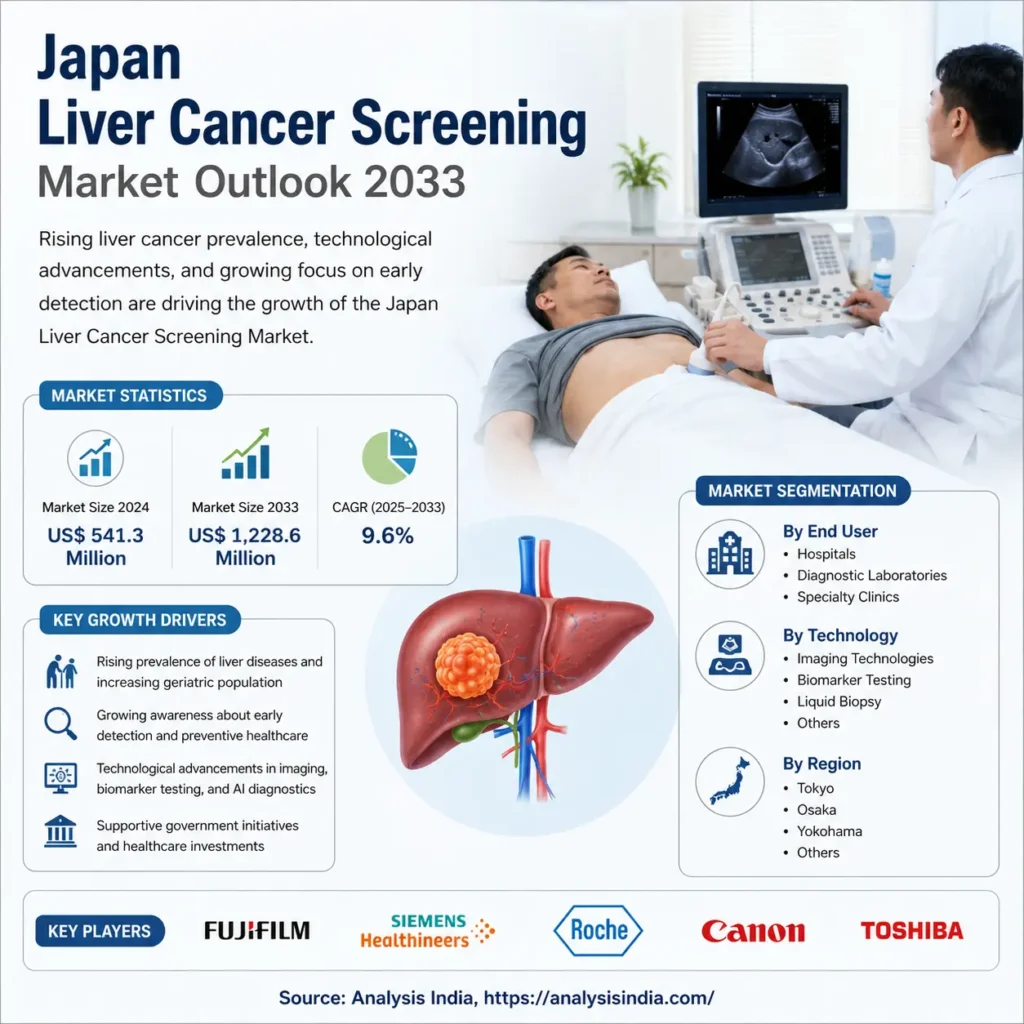
The Japan Lung Cancer Molecular Screening Market is experiencing steady growth, supported by strong government initiatives and a technologically advanced healthcare system. Japan places a high emphasis on early cancer detection, which is driving the adoption of molecular screening technologies.
The country’s aging population is a significant factor contributing to market demand. As the incidence of lung cancer increases among older individuals, the need for accurate and non-invasive screening methods becomes more critical.
Japan is also investing heavily in genomic research and precision medicine, which supports the development and adoption of advanced molecular diagnostics. These trends are consistent with insights from your Japan lung cancer screening market article, where early detection and innovation are key drivers.
South East Asia Lung Cancer Molecular Screening Market
The South East Asia Lung Cancer Molecular Screening Market is emerging as a high-growth region due to improving healthcare infrastructure and increasing awareness of early detection. Countries in this region are gradually adopting advanced diagnostic technologies, including molecular screening.
Economic development and healthcare investments are enabling wider access to diagnostic services. Governments and private organizations are focusing on expanding screening programs, particularly in urban areas.
The growth dynamics in this region are closely linked with your South East Asia lung cancer screening market content, where rising healthcare investments and awareness are driving market expansion. Molecular screening is expected to accelerate this growth by providing more accurate and accessible diagnostic solutions.
Integration with Broader Cancer Screening Ecosystem
The Lung Cancer Molecular Screening Market is not isolated but is part of a broader cancer diagnostics ecosystem. It works alongside imaging, pathology, and genomic testing to provide a comprehensive understanding of cancer.
While imaging techniques help identify physical abnormalities, molecular screening provides insights into the biological mechanisms of the disease. This integrated approach improves diagnostic accuracy and supports more effective treatment planning.
Similar integration trends are observed in the gastric cancer screening market, where multiple diagnostic approaches are combined to enhance early detection and improve patient outcomes.
Challenges and Market Barriers
Despite its strong growth potential, the Lung Cancer Molecular Screening Market faces several challenges. High costs remain a significant barrier, particularly in developing regions where healthcare budgets are limited.
Another challenge is the lack of standardized guidelines for molecular screening. Variability in testing methods can lead to inconsistencies in results, affecting clinical decision-making.
Regulatory complexities also pose challenges for market players. Approval processes for new technologies can be time-consuming and require significant investment.
In addition, there is a shortage of skilled professionals who can interpret complex genomic data. Addressing this gap through education and training will be essential for sustaining market growth.
Future Outlook and Emerging Opportunities
The future of the Lung Cancer Molecular Screening Market is highly promising, driven by continuous innovation and increasing adoption of precision medicine. Advances in artificial intelligence and big data analytics are expected to further enhance diagnostic capabilities.
Emerging markets will play a significant role in future growth. As healthcare infrastructure improves and awareness increases, the adoption of molecular screening is expected to rise.
The development of personalized treatment strategies will also drive demand for molecular diagnostics. As targeted therapies become more prevalent, the need for accurate genetic profiling will continue to grow.
Global research and clinical frameworks supported by organizations such as World Health Organization continue to emphasize early detection and advanced diagnostics, reinforcing the importance of molecular screening in modern healthcare.
Conclusion
The Lung Cancer Molecular Screening Market is rapidly becoming a cornerstone of modern oncology diagnostics. Its ability to provide early, accurate, and non-invasive detection makes it essential for improving patient outcomes.
With strong integration into the broader cancer screening ecosystem and increasing adoption of precision medicine, the market is set for sustained growth. Regional developments in the United States, Japan, and South East Asia further highlight its global potential.
As healthcare systems continue to evolve, the Lung Cancer Molecular Screening Market will play a critical role in shaping the future of cancer diagnosis and treatment.
Frequently Asked Questions (FAQs)
What is the Lung Cancer Molecular Screening Market?
The Lung Cancer Molecular Screening Market focuses on diagnostic technologies that detect lung cancer using genetic and molecular biomarkers instead of only imaging methods.
How is molecular screening different from traditional lung cancer screening?
Traditional screening uses imaging like CT scans, while molecular screening analyzes biomarkers such as DNA and proteins to detect cancer earlier and more accurately.
Why is the Lung Cancer Molecular Screening Market growing?
The Lung Cancer Molecular Screening Market is growing due to rising lung cancer cases, increasing adoption of precision medicine, and advancements in technologies like liquid biopsy.
What technologies are used in lung cancer molecular screening?
Key technologies include Liquid Biopsy and Next Generation Sequencing, which help detect cancer-related genetic changes.
Which regions are leading the Lung Cancer Molecular Screening Market?
The United States leads the Lung Cancer Molecular Screening Market, while Japan and South East Asia are emerging as fast-growing regions due to healthcare advancements.
What is the future of the Lung Cancer Molecular Screening Market?
The future of the Lung Cancer Molecular Screening Market looks strong with increasing use of AI, personalized medicine, and non-invasive diagnostic techniques.